
The Allure of the Upward Glance
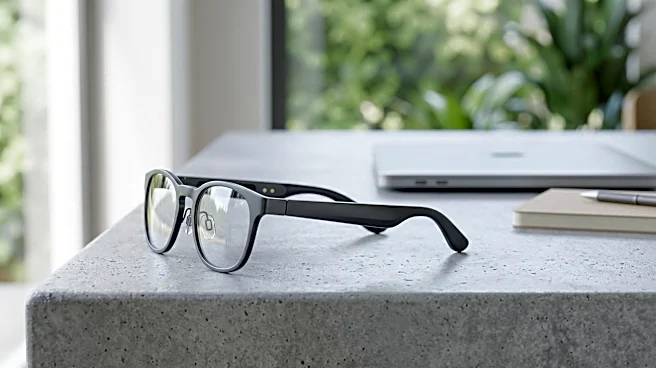
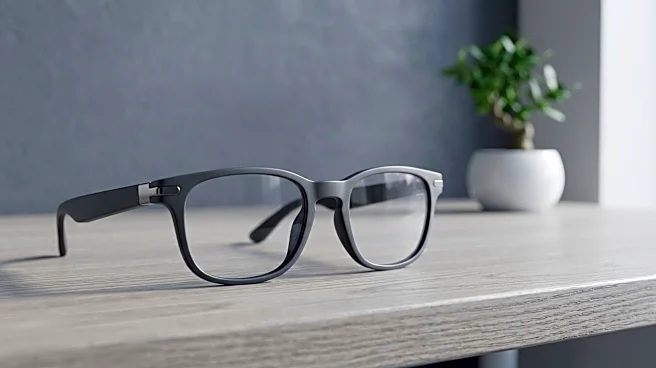
The core promise of AI glasses, from Meta’s Ray-Bans to offerings from Brilliant Labs, isn't about replacing your phone; it's about replacing the need to constantly look down at it. These devices are designed
for ambient, hands-free computing. Imagine asking for directions and seeing a subtle arrow in your field of view, getting a real-time translation of a conversation, or identifying a plant without pulling out your phone. It's about seamless, quick interactions that augment your reality instead of interrupting it. The goal is to handle the digital world’s quick-hit tasks—checking notifications, taking a quick call, capturing a first-person photo, or asking a fast question—while keeping your head up and your hands free. These devices excel at tasks that are glanceable, auditory, or conversational, reducing the friction that comes with unlocking a phone for every minor digital need.
Why the Smartphone Remains King
Despite the futuristic appeal of AI glasses, don't expect your smartphone to become a relic overnight. The smartphone's superpower is its high-resolution, tactile screen. It is an unparalleled portal for content consumption and creation. You can't comfortably watch a feature film, edit a high-resolution video, or doomscroll through a visually rich social media feed on a pair of glasses. Furthermore, the smartphone is the hub of our complex digital lives. Tasks that require deep focus, security, and intricate input—like mobile banking, writing long emails, managing complex app settings, or playing graphically intensive games—are fundamentally tied to the screen. It remains the mothership for processing-heavy applications and the primary device for content creation, not just quick captures. For the foreseeable future, most AI glasses will continue to rely on a paired smartphone for connectivity and heavy computational lifting.
What's Leaving the Screen First?
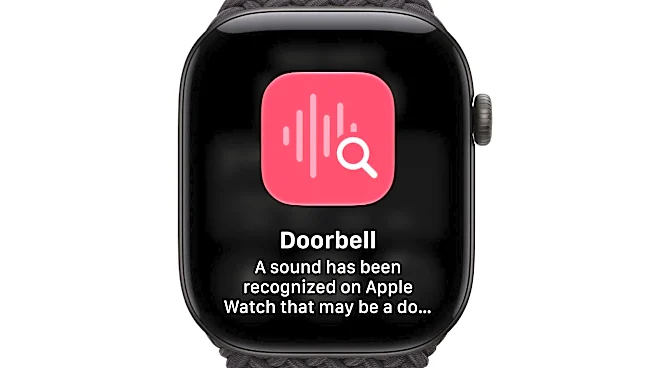
The migration of tasks from phone to face will be gradual, starting with the ones that cause the most friction. First to go are the 'in-and-out' jobs. Quick queries for your AI assistant, once typed into a search bar, are now spoken commands. Turn-by-turn navigation becomes less about staring at a map and more about following subtle, heads-up cues. Instant language translation is another prime candidate, shifting from a clunky app to a real-time conversation aid. Notifications, which constantly demand we pull our phones out, can be triaged through audio or a simple visual prompt. And hands-free communication—taking calls or sending short voice messages without breaking stride—is an obvious win for the wearable format. These are tasks where convenience and context trump visual fidelity.
The Enduring Power of the Rectangle
So, what still needs a screen? Anything that requires immersion, detail, and precision. Reading long articles, ebooks, or important documents is a task for a dedicated screen. The world of entertainment—from streaming services to high-end mobile gaming—is built on rich, vibrant displays that glasses cannot yet replicate. Content creation, beyond a simple point-of-view snapshot, will also remain firmly in the smartphone's court. Editing photos and videos, designing presentations, or even composing a thoughtful social media post requires a level of control and visual feedback that a hands-free interface can't provide. Finally, any task involving sensitive or complex information, like managing finances, reviewing health data, or using multi-step enterprise applications, benefits from the clarity and security of a private screen you hold in your hand.