





The Software Is the Real Headliner
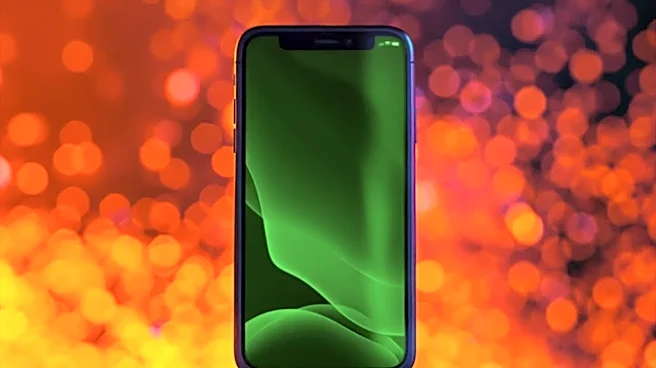
Sure, the iPhone 18 Pro boasts a faster chip and an impressive new camera. But the hardware is merely a vessel for the true star of the show: the operating system. This year, it's iOS 20, which brings a host of new features and, more importantly, deeper
integration into Apple's world. The software is what defines the daily experience for over a billion users, not just the few million who buy a new phone on launch weekend. It’s the engine for new capabilities, like the next generation of Apple Intelligence and a more conversational Siri, which further personalize the device. These updates are designed to make the entire ecosystem—from your Watch to your Mac—work together more seamlessly, making the prospect of leaving for a competitor that much harder. The hardware gets you in the door, but the software ecosystem is designed to make you want to stay forever.
A Trojan Horse for Subscriptions
Every new iPhone sold is another potential subscriber to Apple's booming services division. In recent years, Apple's services revenue has seen remarkable growth, often posting double-digit increases year-over-year. This segment, which includes the App Store, iCloud+, Apple Music, Apple TV+, and Apple One bundles, is a high-margin powerhouse for the company. Unlike hardware, which is subject to manufacturing costs and supply chain volatility, services are a recurring revenue stream that is immensely profitable. The gross margin for services is significantly higher than for hardware products. When Apple executives take the stage, they aren't just selling you a phone; they're selling you a gateway to a dozen other things you'll pay for monthly. The iPhone 18 isn't the final purchase—it's the down payment on a long-term financial relationship with Apple.
Strengthening the 'Walled Garden'
The launch event isn't just about a single product; it's a carefully orchestrated reinforcement of the entire Apple ecosystem. Notice how much stage time is dedicated to the seamless interaction between the new iPhone, the Apple Watch Series 12, and the latest AirPods. Features like Handoff, which lets you start a task on one device and finish it on another, are not just conveniences; they are strategic moats. The more integrated your digital life becomes across Apple's products, the higher the switching cost to leave. Buying an iPhone makes you more likely to buy an Apple Watch, which works best with an iPhone. That, in turn, makes AirPods a natural choice. Before you know it, you're living entirely within Apple's beautifully designed, highly functional, and very sticky walled garden. The iPhone 18 is the keystone that holds that entire structure together.
Hardware as the Beautifully Designed Stage
This isn't to say the hardware is irrelevant. Far from it. The iPhone 18 is a marvel of engineering, and its aesthetic appeal is a massive part of Apple's brand. The company has mastered the art of creating desire through physical design and meticulously managed hype. The launch event is a global phenomenon built on secrecy and anticipation. However, the physical device is best understood as the stage, not the entire play. It's the tangible, desirable object that people line up for, the focal point of the marketing blitz. But its primary role in Apple's long-term strategy is to serve as the entry point and delivery mechanism for the software and services that now drive the company's future growth. The phone is the cost of admission to the ever-expanding Apple universe.