
First, What’s a Prompt Library?
Forget a simple list of saved questions. For a power user, a prompt library is a strategic arsenal. Think of it less like a Post-it note of ideas and more like a chef's meticulously organized recipe book.
Each “prompt” isn't just a question but a carefully crafted command, complete with context, constraints, and formatting instructions designed to produce a specific, high-quality output from an AI model. A library might contain a prompt for generating marketing copy in a specific brand voice, another for debugging Python code with a certain style, and a third for drafting a legal clause with precise terminology. These aren't one-off queries; they are tested, refined, and reusable assets that form the foundation of an efficient, AI-powered workflow.
The Race to Map the New Territory
The moment a new model like GPT-4o is released, the clock starts. For power users, this isn't just a software update; it’s a shift in the landscape. The fundamental capabilities of their primary tool have changed. The rush to build and update their libraries is driven by two critical factors: risk and opportunity. The risk is that old, reliable prompts might now “break” or produce inferior results. A command that worked perfectly on the old model might misinterpret context or become less precise on the new one. This is often referred to as “model drift” or “degradation,” and it can quietly sabotage a well-oiled workflow. Verifying that their core tools still work is job number one. The opportunity is even greater. A new model promises new skills, and the first people to discover and systemize them gain an immediate edge.
Separating Hype from Horsepower
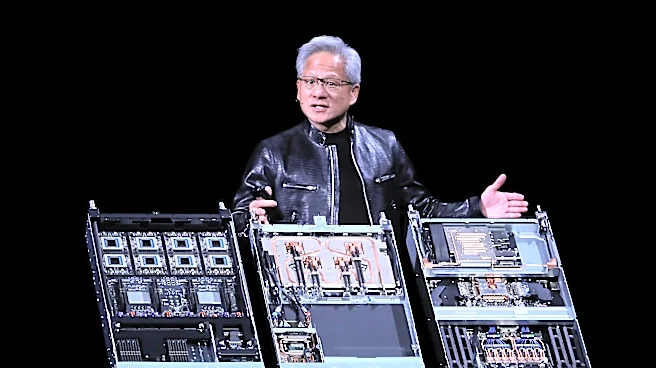
Every OpenAI announcement comes with a slick presentation and impressive demos. Power users are professional skeptics. They don't take the marketing claims at face value. Instead, they use their existing prompt libraries as a benchmarking tool. They run their suite of trusted prompts—the ones they know inside and out—against the new model. Is it *actually* better at chain-of-thought reasoning? Can it handle more complex coding tasks without hallucinating? Does it generate more nuanced creative text? By comparing the new outputs against the old, they create a real-world performance report. This process allows them to quickly identify genuine improvements, notice subtle regressions, and understand the model's new quirks and biases, long before the broader public catches on.
Hunting for “Secret” Superpowers
The most exciting part of the hunt is the search for emergent capabilities—the unintended, often surprising skills that a model develops as it scales. These are the superpowers that aren't on the official feature list. Perhaps the new model has an uncanny ability to create complex data visualizations from a natural language request, or it can suddenly translate between two obscure languages with surprising accuracy. Power users experiment relentlessly, pushing the model to its limits with creative and unconventional prompts. They’re not just asking it to write a poem; they’re asking it to write a poem in the style of a 17th-century cartographer who is also a modern-day rapper. Finding one of these hidden gems and building a prompt around it can unlock entirely new applications and business opportunities.
The Payoff: Systemizing the Competitive Edge
The ultimate goal of this frantic, post-update activity isn't just discovery; it's systemization. After testing, benchmarking, and exploring, power users codify their findings into a new, updated prompt library. This becomes their new source of truth and their competitive advantage. The updated library allows them to work faster, produce higher-quality results, and build more sophisticated applications on the new AI platform. For a freelance consultant, it might mean delivering client work in half the time. For a startup, it could be the key to launching a new feature that competitors can’t replicate. By investing a few hours of intense work upfront, they establish a new baseline of productivity and innovation that can pay dividends for months to come.