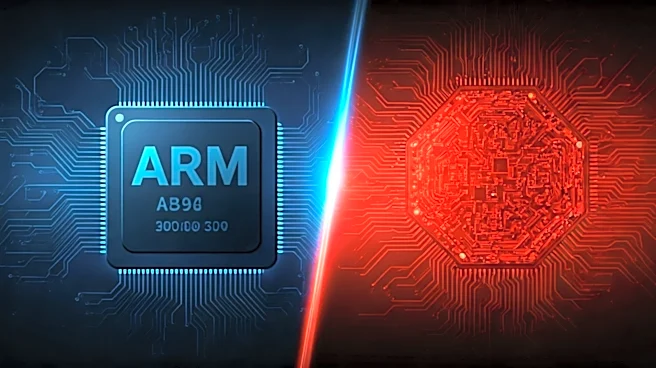









The Two Titans of Tech: x86 and ARM
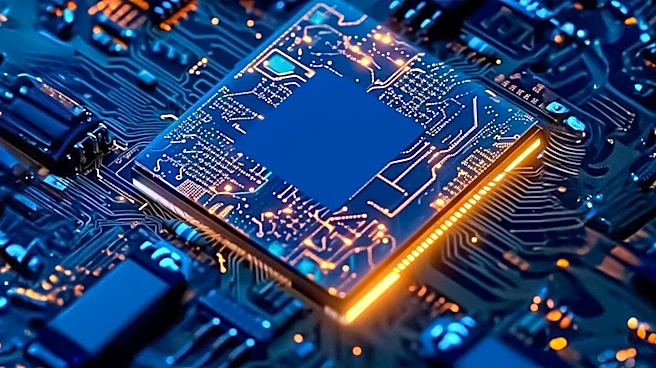
For most of the last 40 years, if you used a desktop or laptop computer, you were using a processor with an x86 architecture. Think of names like Intel and AMD—they are the giants of the x86 world, providing the powerful engines for everything from hulking
gaming desktops to corporate workstations. This architecture was built for performance, designed to handle complex tasks quickly. On the other side is ARM. ARM Holdings doesn't make its own chips; instead, it designs and licenses its architecture to other companies like Apple, Qualcomm, and Samsung. If you have a smartphone or a tablet, you're using an ARM-based chip. For years, these two titans stayed in their own lanes: x86 dominated PCs where power was plentiful, while ARM dominated mobile devices where battery life was king.
The Core Difference: Power vs. Raw Performance
The fundamental difference between the two comes down to a design philosophy: CISC vs. RISC. x86 processors use a Complex Instruction Set Computing (CISC) approach. Imagine a sophisticated Swiss Army knife that can perform a complex task with a single, elaborate tool. This often leads to high performance but consumes more power and generates more heat, which is why most x86 laptops have fans. ARM processors use a Reduced Instruction Set Computing (RISC) design. Think of this as having a toolbox of simple, individual tools. Each tool does one small thing very quickly and efficiently. While it might take more individual steps to complete a complex task, each step uses very little energy. This obsession with power efficiency is why ARM became the default choice for battery-powered devices like phones.
How ARM Conquered the Pocket
When the smartphone era dawned, the rules of computing changed. Suddenly, all-day battery life wasn't a luxury; it was a requirement. The power-hungry nature of x86 architecture was a non-starter for a device that needed to last from morning to night in your pocket. ARM's low power consumption and low heat output were its killer features. This allowed for thin, fanless designs that could still offer a responsive, instant-on experience. As smartphones became the primary computing device for billions of people, ARM's dominance grew, with its chips powering an estimated 95% of smartphones by 2010. For a decade, it seemed this was the settled order: x86 for serious computing, ARM for mobile convenience.
The Great Migration: Apple’s M-Series Changes Everything
The event that blew the lid off this quiet war was Apple's 2020 announcement that it was ditching Intel's x86 chips in its Mac computers for its own custom ARM-based silicon, known as the M-series. It was a huge gamble. Apple had used Intel processors since 2006, and switching architectures could have been a disaster. Instead, it was a revelation. The first M1-powered MacBooks were shockingly fast, completely silent because they needed no fan, and had battery life that seemed to defy physics, easily lasting twice as long as their Intel predecessors. Apple proved that an ARM chip could deliver not just world-class efficiency but also elite performance, shattering the long-held belief that ARM was only for low-power mobile devices. This move gave Apple total control over its hardware and software, allowing for levels of optimization Intel-based systems couldn't match.
The Next Frontier: Windows Joins the Fray
Apple's success sent shockwaves through the industry. Microsoft, which had tried and failed before with ARM-based Windows devices like the Surface RT, redoubled its efforts. The latest generation of "Windows on ARM" devices, powered by potent chips from Qualcomm, are now positioned as direct competitors to Apple's MacBooks and traditional x86 laptops. These new machines promise the signature ARM benefits of incredible battery life and instant-on readiness. While software compatibility was a major hurdle in the past, modern versions of Windows on ARM can now run most older x86 applications through an emulation layer, and the number of native ARM apps is growing quickly. The battle for the future of the laptop is no longer just Intel vs. AMD; it's a three-way fight that now includes ARM, pushing all sides to innovate on both performance and efficiency.