



The Detail Hiding in Plain Sight
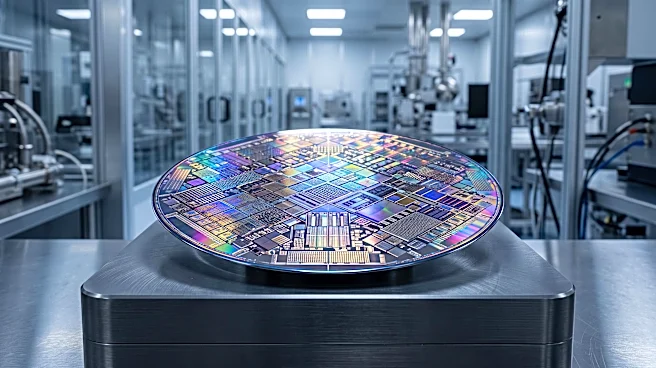
The secret isn't one thing, but two working together: the type of NAND flash memory and the presence of a DRAM cache. Most drives today use either TLC (Triple-Level Cell) or QLC (Quad-Level Cell) flash. TLC is the proven workhorse, offering a great balance
of speed, endurance, and cost. QLC packs more data in, making it cheaper, but it comes with significant trade-offs: lower endurance and a big drop in speed during large or sustained file writes. The second piece of the puzzle is the DRAM cache. This is a small amount of super-fast memory that acts as a directory for your data. An SSD with a DRAM cache can find your files almost instantly. Drives without it are cheaper but can feel sluggish during multitasking or heavy use, as the controller has to search the slower main storage for the data map.
Why Benchmarks Don't Tell the Whole Story
So if this is so important, why don't all reviews highlight it? Many popular benchmarks measure 'burst' performance. They test how fast a drive is for a few seconds, which is often handled by a small, temporary 'SLC cache' that makes even lower-quality drives look fast. This initial burst speed is what gets advertised. The performance drop-off happens when you transfer a large file—like a 100GB game or a 4K video project—and that SLC cache runs out. Suddenly, a drive that benchmarked at 5,000 MB/s might slow to a crawl. A drive with a proper DRAM cache and quality TLC NAND will maintain its speed far more consistently under real-world pressure. Some manufacturers also make it difficult to find these specs, focusing instead on the more flattering, but less realistic, peak speed numbers.
The All-Around Champion: Samsung
When it comes to consistently delivering on the hidden details, Samsung is a market leader. Drives like the 990 Pro are perennial favorites for a reason: they combine the company's own high-quality TLC V-NAND flash with a robust DRAM cache. This combination makes them exceptionally fast and reliable for demanding workloads, from gaming to content creation. While they often come at a premium, you're paying for the assurance that the drive will perform as advertised, even when pushed hard. For users who want top-tier, consistent performance without having to worry about hardware compromises, Samsung remains a go-to alternative to Western Digital's high-end offerings.
The Value King: Crucial
Crucial, the consumer brand of memory manufacturer Micron, has a reputation for excellent value. While the company has reportedly scaled back its consumer SSD presence, its products remain a benchmark for balancing price and performance. Drives like the Crucial T705 (a PCIe 5.0 drive) or older PCIe 4.0 models feature quality NAND and, crucially, a DRAM cache. This makes them a smart pick for system builders and upgraders who want performance that punches above its price tag. They deliver the sustained speed needed for gaming and productivity without the top-tier cost of some rivals, proving that you don't always have to pay a premium to get a drive with the right internal hardware.
The Gaming Specialist: Seagate FireCuda
Seagate is Western Digital's oldest rival, and its FireCuda line is aimed squarely at gamers and high-performance users. Top-tier drives in this family, like the FireCuda 540, are built for speed and endurance. They typically feature TLC NAND and a DRAM cache, making them ideal for handling the massive file sizes of modern games and ensuring consistently fast load times. What sets them apart is their focus on high endurance ratings (measured in Terabytes Written or TBW), which gives peace of mind to users who are constantly installing, deleting, and updating large game files. For a gaming PC where storage is constantly being worked, a high-endurance FireCuda is a formidable choice.