











Your Brain's Short-Term Memory
Before diving into the disagreement, let’s get the basics straight. Think of your computer’s processor (CPU) as its brain. The main system memory (RAM) is like a giant library across town—it holds tons of information, but it takes time to go get it. Cache
memory is the solution to this travel time. It’s a much smaller, but dramatically faster, set of memory built right into or next to the CPU. L1 cache is like a sticky note on your monitor—tiny, but instantly accessible. L2 is like your desk drawer—you can hold more, and it’s still very quick to open. L3 is the filing cabinet in your office—larger still, and shared with your coworkers (the other CPU cores), but a bit slower to access. The goal of this system is to keep the data the CPU needs right now as close as possible, so it doesn't have to make that slow trip to the 'library' of RAM.
The Core of the Disagreement: Size vs. Latency
Here's where the top minds in engineering start to argue. The fundamental conflict in cache design is a trade-off between size and speed (latency). You can’t max out both. A larger cache can hold more data, which is great for reducing “cache misses”—the term for when the CPU needs data that isn’t in the cache, forcing that slow trip to RAM. Fewer misses mean faster overall performance. However, physics is a harsh mistress. The larger you make a cache, the more physical space it takes up and the longer it takes for an electrical signal to travel across it. This increases its latency. So, the debate becomes one of philosophy: Is it better to have a massive L3 cache that acts as a huge data reservoir, even if it's a bit slower? Or is a nimbler, lower-latency cache hierarchy that prioritizes raw speed for smaller, more immediate tasks the superior design?
Philosophy 1: The Balanced Generalist
One school of thought, often associated with Intel's historical approach, is to build a well-rounded, balanced cache system. This philosophy prioritizes having a very fast L1 and L2 cache, with a respectably sized L3 that serves as a solid backstop. The goal is to create a CPU that performs well across a huge variety of tasks, from opening a web browser and running spreadsheet calculations to light gaming and content creation. This 'generalist' approach avoids over-investing in one area, like a giant L3, at the potential expense of another. The argument is that for most everyday users, this balanced design provides the most consistent and responsive experience without the extreme costs or power consumption associated with massive, specialized caches.
Philosophy 2: The Specialized Heavyweight
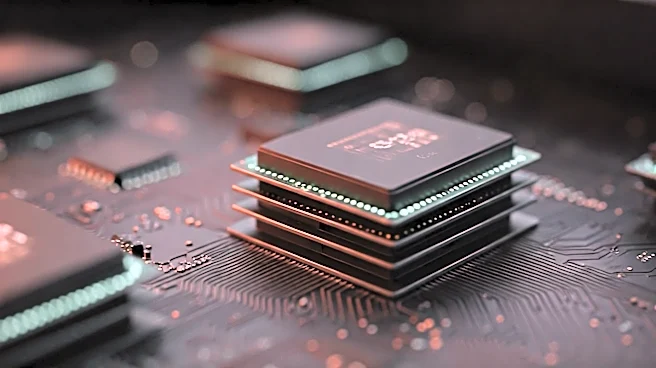
The other camp argues that in an era of specialization, 'good enough' for everyone isn't good enough for anyone. This philosophy champions creating specialized cache architectures to dominate specific workloads. The most famous modern example is AMD's 3D V-Cache technology. AMD physically stacks an enormous amount of extra L3 cache directly on top of the processor. This creates a CPU with a colossal L3 cache that is a game-changer for, well, gaming. Modern games use huge sets of data that can now fit almost entirely within this massive cache, dramatically boosting frame rates. The trade-off might be slightly higher latency or power use, but for the target market (high-end gamers), the performance gain is so significant that the compromise is worth it. This is a bet that dominating a key, profitable niche is better than being a jack-of-all-trades.
Why This Engineering Debate Matters to You
This isn’t just an academic squabble for engineers in Silicon Valley. The philosophy that wins out in the design of the CPU inside your laptop or desktop directly affects your user experience and your wallet. If you're a competitive gamer, a CPU with a massive L3 cache might be the single most important component for achieving peak performance. If you're a data scientist or video editor, the amount and speed of the L2 cache might be more critical for your specific software. For the average user, a balanced design likely offers the best performance for the price. This disagreement between engineers is what fuels innovation and competition, ultimately giving you more choice. It forces companies to bet on what users will want next, and those bets determine the speed and capability of the technology we use every day.