




The Real Meaning of Depreciation
When most people hear 'depreciation', they think of a car losing value over time. In the world of high-tech, it's more brutal. It’s not just about wear and tear; it’s about economic obsolescence. For the graphics processing units (GPUs) that power artificial
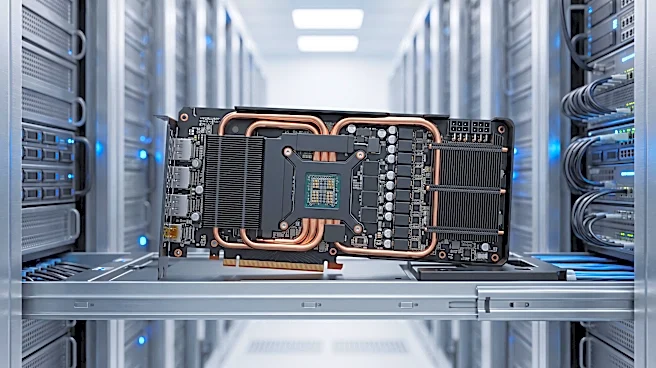
intelligence, this happens at a blistering pace. An AI company might buy an NVIDIA H100 chip for $30,000 to $40,000. On paper, they might tell investors this asset has a 'useful life' of five or six years. But in reality, its peak competitive window might only be two to three years before a new, more powerful generation of chips makes it a second-tier player. This gap between accounting life and economic life is the heart of the problem.
An Unprecedented Spending Spree
The scale of investment in AI hardware is staggering. The largest tech companies—Amazon, Microsoft, Google, and Meta—are projected to spend a combined total of over $700 billion on capital expenditures in 2026 alone, with a massive portion dedicated to AI infrastructure. This spending spree, often funded by debt, is necessary to keep up in the AI arms race. Companies are buying tens of thousands of GPUs at a time to train and run ever-larger models. But each purchase is a bet. They are betting they can earn back the massive upfront cost before the hardware becomes functionally obsolete. With payback periods for a server potentially lasting 18-24 months, it’s a race against the clock.
When Innovation Becomes a Liability
NVIDIA’s relentless innovation cycle is a double-edged sword. The leap from the H100 to the new Blackwell B200 architecture, for example, offers a massive jump in performance—up to twice the training speed in some benchmarks. While great for progress, it’s devastating for the value of existing hardware. A chip that was top-of-the-line one year becomes economically inferior the next, unable to train the newest 'frontier' models as efficiently. This forces companies into a constant, costly upgrade cycle. An older GPU like the A100, which peaked at $10,000-$15,000, saw its value plummet by 50-70% within a few years of its successor's release. The H100 faces a similar fate as the B200 and future generations hit the market.
The Accounting Mismatch
Here’s where it gets tricky for investors. Many of the tech giants driving the AI boom depreciate their servers over five to six years. This accounting choice makes current earnings look healthier by spreading the massive cost of GPUs over a longer period. For example, a longer depreciation schedule can reduce the reported annual expense by millions, boosting profits on paper. But some analysts and engineers argue the true economic lifespan of a heavily used AI GPU is closer to two to three years. This creates a growing disconnect between reported profits and the harsh reality of hardware costs. At some point, the bill comes due, and companies will face a massive hit to their income statements as they are forced to replace entire fleets of 'obsolete' but not-yet-fully-depreciated hardware.