






The Seduction of the Spec Sheet
When you're shopping for a NAS, the marketing and most reviews push you toward a simple checklist. How many drive bays does it have? Two, four, maybe six? How much RAM is pre-installed? Does it have a 2.5-gigabit Ethernet port? These are all important
questions, of course. Not having enough drive bays for future expansion is a common regret, and a faster network port will certainly improve file transfer speeds. But focusing only on these specifications is like buying a car based on the size of its trunk and the number of cupholders. It tells you about its capacity, but very little about the driving experience. The real story, and the one often buried in technical appendices, lies with the device's engine.
The Real Engine: It's the Processor
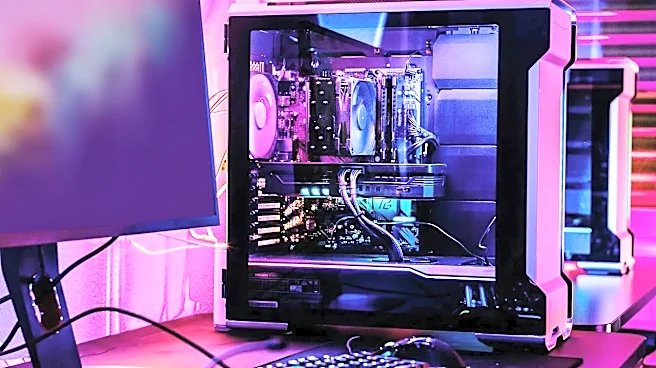
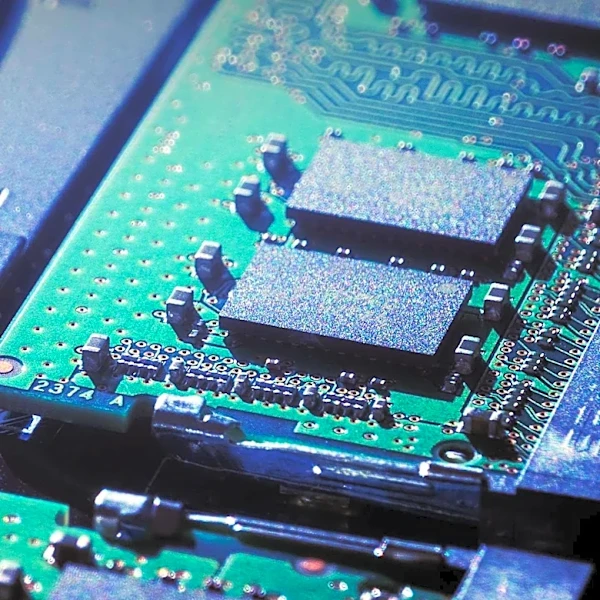
The hidden detail is the Central Processing Unit (CPU). Many buyers assume the CPU in a NAS is just a low-power chip for managing files, and in the cheapest models, that's true. But a NAS is a computer, and its processor defines its potential more than any other component. The problem is that not all processors are created equal. Reviews rarely explain the profound difference between a low-power ARM-based processor, common in entry-level units, and a more robust Intel or AMD x86-based chip found in mid-range and high-end models. This isn't just about speed; it's about capability. One is designed for power efficiency and basic tasks, while the other provides the horsepower to turn your storage box into a true multi-purpose server.
The Plex Test and the Pain of Transcoding
Nowhere is this difference more obvious than with media streaming. A very common reason to buy a NAS is to run a Plex or Jellyfin media server. You load it up with your movies and shows, and you can stream them to any device, anywhere. But here's the catch: not every device can play every video file format. When you try to stream a 4K movie from your NAS to your phone, the NAS might need to convert it on the fly into a format the phone can handle. This process is called transcoding, and it is incredibly CPU-intensive. An entry-level NAS with a weak ARM processor will simply choke. The result? Endless buffering, stuttering playback, and a completely unusable media server. A NAS with a capable Intel Celeron, Core i3, or AMD Ryzen CPU, however, often includes integrated graphics that can handle multiple transcodes without breaking a sweat, providing a smooth experience for you and your family.
Beyond Media: Your Home's Mini-Server
The benefits of a better CPU extend far beyond video streaming. Modern NAS operating systems from brands like Synology and QNAP are packed with applications. With a stronger processor, your NAS can become the quiet, low-power heart of your digital life. It can run virtual machines, host websites, manage smart home devices, automatically sort and tag thousands of photos using AI, or run Docker containers for countless other projects. These are tasks that an underpowered NAS will struggle with or be completely incapable of performing. By investing a little more in a model with a better processor, you aren't just buying storage; you're buying potential and future-proofing your investment.
How to Choose the Right Brain for Your NAS
So, how do you make the right choice? It boils down to being honest about your needs. If you genuinely only need a central place to back up documents and share files on your local network, a budget-friendly ARM-based model is perfectly fine and very power-efficient. But if you have any ambition to stream media, run applications, or experiment with server functions, you need to be looking at models with an x86 processor. When looking at a product page, check the detailed specs for the CPU model. A quick search for that CPU model will tell you if it's an ARM or x86 chip. For media transcoding, look for models specifically advertising an Intel processor with Quick Sync Video (QSV), which is a golden ticket for Plex performance.