






The New Company Training Ground
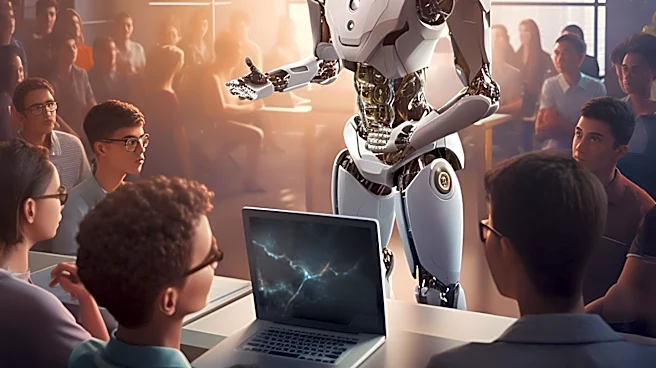
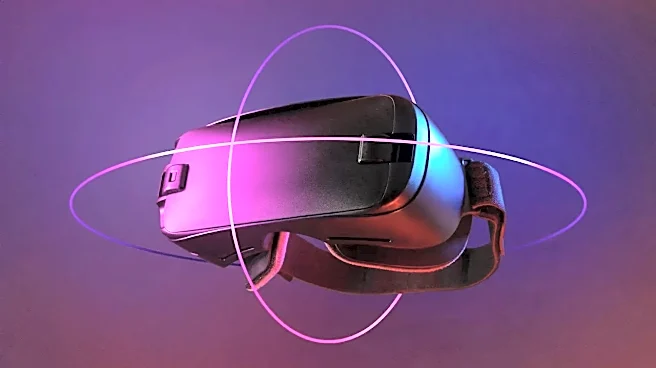
Forget trust falls and orientation videos. The future of job training is happening inside a headset. Companies across high-stakes industries are adopting VR to train employees in a safe, controlled, and incredibly realistic environment. Think of surgeons
practicing complex procedures without risk to a patient, or airline mechanics learning the intricacies of a new jet engine without needing to take a real plane out of service. Studies have shown that this immersive learning can be significantly faster than traditional methods. It allows employees to build muscle memory and confidence by performing tasks repeatedly in simulations that would be too dangerous or expensive to replicate in the real world. From manufacturing and construction safety protocols to retail and customer service interactions, VR provides a scalable way to upskill a workforce efficiently.
Redefining the Remote Office
The shift to remote and hybrid work highlighted the limitations of video conferencing for true collaboration. While apps like Zoom and Slack keep teams connected, they often fail to replicate the spontaneous, creative energy of working in the same room. Enterprise VR is stepping in to bridge that gap. It offers persistent virtual workspaces where colleagues, represented by avatars, can meet, brainstorm on virtual whiteboards, and manipulate 3D models together. This creates a sense of 'presence' that flat screens simply can't match, fostering better communication and team cohesion, regardless of physical distance. As the technology evolves, these platforms are moving beyond simple meetings to become digital headquarters that maintain company culture and enable new forms of productivity for a distributed workforce.
A Powerful Tool for Health and Healing
Perhaps the most surprising frontier for VR is in healthcare, where it's being used for far more than just training. VR is emerging as a therapeutic tool for a range of conditions. It's used in exposure therapy to help patients overcome phobias and PTSD in a managed setting, and as a pain management technique to distract patients during uncomfortable medical procedures. Physical rehabilitation is another key area, with VR games and scenarios motivating patients to complete their exercises. These applications demonstrate that the technology’s ability to create a convincing reality is not just for entertainment; it can be a powerful instrument for improving mental and physical well-being.
The Real Market Growth Engine
While consumer headset sales can be volatile, the enterprise market is the true engine of the industry’s long-term growth. The decision for a company to deploy hundreds of headsets for training or collaboration is a significant investment in infrastructure, not just a gadget purchase. Market analysts project substantial growth in the enterprise VR sector, driven by these practical, ROI-focused applications rather than consumer entertainment trends. Companies from Walmart to Bank of America have already used VR for large-scale employee training. This business-to-business market is less about hype and more about solving tangible problems, ensuring VR’s place as a foundational technology for the future, much like the personal computer was for a previous generation.