








1. General Electric: The Conglomerate’s Curse
Under CEO Jack Welch, General Electric became a titan, its value soaring from $14 billion to $600 billion. Welch's philosophy was simple: be number one or two in every market, or get out. This relentless drive, much like Time Warner's empire-building,
created a sprawling conglomerate that made everything from jet engines to TV shows. The problem? This complexity became its undoing. GE Capital, its financial services arm, grew so large it nearly sank the entire company during the 2008 financial crisis. The story of GE's subsequent breakup into three smaller, more focused companies is a powerful lesson in the dangers of unchecked expansion and the illusion of synergy—a theme Time Warner shareholders know all too well.
2. Yahoo: The Pioneer That Lost Its Way
In the early internet era, Yahoo was king. Its homepage was the web's front door for millions. Much like Warner Bros. with its iconic content, Yahoo had a powerful hold on its audience. Yet, its story is one of tragic missed opportunities and a fatal identity crisis. The company declined to buy a fledgling Google, and later failed to acquire Facebook. Was it a media company or a tech company? It never truly decided, and that indecision proved fatal. This mirrors the constant tension within Time Warner and later Warner Bros. Discovery between being a creative studio, a tech platform, or a distribution network. Yahoo’s fall shows that owning the moment means nothing if you can’t define your future.
3. Sears: When Dominance Breeds Complacency
For much of the 20th century, Sears was more than a store; it was an American institution, the Amazon of its day. It dominated retail through its massive catalog and physical stores. But as consumer habits shifted toward big-box stores and then e-commerce, Sears failed to adapt. Its leadership, clinging to an old model, underinvested in stores and online presence, allowing competitors to race past. This is the legacy media version of sticking to cable while the world moves to streaming. Sears's slow-motion collapse is a stark reminder that market leadership is rented, not owned, and the bill always comes due—a fear that has haunted every legacy media company, including Warner Bros., for two decades.
4. Nokia: Blindsided by a Paradigm Shift
Before the iPhone, the world belonged to Nokia. The Finnish company was so dominant in the mobile phone market that its position seemed unassailable. But its success was built on hardware in a world that was about to pivot to software and ecosystems. The company tragically underestimated the appeal of the touchscreen and the importance of a robust app store, sticking with its clunky Symbian operating system for too long. When it finally tried to pivot by partnering with Microsoft, it was too late. Nokia’s story is a direct parallel to the challenge legacy media faced with streaming: when the entire paradigm shifts, your old strengths can become your biggest weaknesses.
5. Paramount Global: The Forever Merger
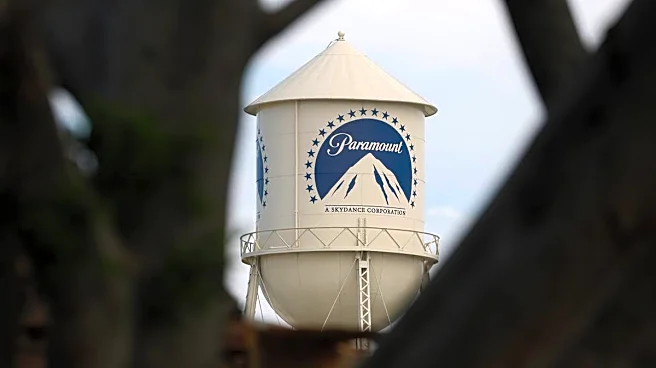
The story of Viacom and CBS, now known as Paramount Global, is a direct media-world parallel to the Time Warner saga. The two companies were merged, split, and then forced back together in 2019 in a contentious deal driven by their controlling shareholder. The recombination was supposed to create a media giant powerful enough to compete in the streaming wars. Instead, it has been a case study in strategic confusion, struggling to integrate assets and define the purpose of its flagship streamer, Paramount+. Like Warner Bros. Discovery, it is saddled with debt and caught between the declining but profitable world of linear TV and the costly, uncertain future of streaming, showing just how difficult it is to build a cohesive whole from storied, but separate, parts.