






Myth: The Software is Just 'Stock' Android
One of the most persistent myths is that Pixel phones run a 'stock' version of Android, implying it's a barebones, generic experience anyone can get. That hasn't been true for years, and it's certainly not the case with the Pixel 11. What people call
'stock' is actually the Pixel UI, Google’s own thoughtful and feature-rich interpretation of its mobile operating system. While other brands pile on heavy-handed skins, Google integrates its most advanced AI features directly into the core experience of Android 17. Features like on-the-fly audio translation, a smarter Circle to Search, and the new Rambler function that cleans up your voice-to-text dictation aren't just apps; they're woven into the fabric of the OS. The Pixel also gets new features and security updates directly from Google, often for a longer support window than any other manufacturer, with some models promised seven years of OS updates. This isn't stock Android; it's the reference edition.
Myth: The Hardware is Interchangeable
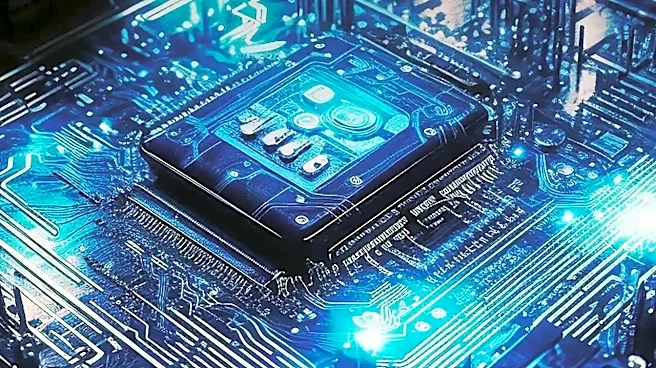
Another common refrain is that all Android phones are just a collection of interchangeable parts from the same few suppliers. The Pixel 11 decisively debunks this with its custom Tensor G6 chip. Unlike competitors who almost universally rely on Qualcomm's Snapdragon chips, Google designs its own processor. The Tensor G6 isn't built to win benchmark wars with raw clock speed, although it delivers a significant performance boost over its predecessor. Instead, its primary focus is accelerating on-device artificial intelligence. The new Tensor Processing Unit (TPU) is designed specifically to run Google’s Gemini AI models locally on the phone, without needing a constant cloud connection. This custom silicon is the engine behind the Pixel’s most magical features, from a camera that captures 400 frames to find the perfect moment to the privacy benefits of keeping your data on your device. It's a holistic approach, where the hardware is purpose-built to power the software, creating an experience other manufacturers simply can't replicate with off-the-shelf components.
Myth: The Camera is All Software Tricks
While Google's computational photography is legendary, it's a mistake to think the Pixel 11's camera excellence is purely code. This generation saw significant hardware upgrades, with Google focusing on larger, more capable sensors rather than just higher megapixel counts. The main camera on the base model and the new telephoto sensor on the Pro versions both let in substantially more light, which is crucial for image quality, especially in challenging conditions. The true advantage, however, lies in how the custom Tensor G6 chip, the new sensors, and the software algorithms are co-designed to work in perfect harmony. Features like the 30x AI-assisted zoom on the base model or the 120x on the Pro are only possible because Google controls the entire imaging pipeline, from the lens to the final processed image. It’s not a matter of hardware versus software; it’s about their seamless integration, a synergy that results in one of the best and most reliable camera systems on any smartphone.
Myth: It's Just Another Slab in a Crowded Market
At a glance, most smartphones look alike. But the Pixel 11 is more than just a communications device; it's a statement about where Google believes computing is headed. It's a vehicle for delivering ambient, proactive AI. Features like the new HiLight LED, which subtly glows around the camera bar for notifications, or AI that can generate widgets on the fly, are small but meaningful steps towards a more intuitive and less intrusive relationship with our technology. While competitors like Samsung focus on raw power and a dizzying array of manual settings, Google’s philosophy is different. It aims to reduce the user's cognitive load, letting AI do the heavy lifting in the background to make daily tasks easier. This isn't just about making another phone; it's about building a personal, helpful AI that fits in your pocket. That core mission makes the Pixel 11 fundamentally distinct from any other device calling itself an Android phone.