







Beyond the App: What Is Wearable AI?
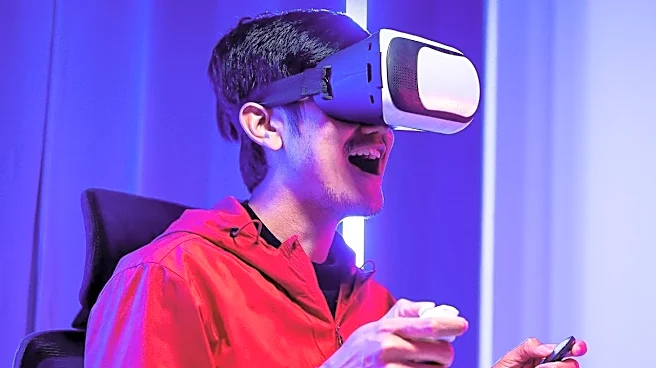
Forget the clunky headsets of early virtual reality. The next wave of enterprise technology is about lightweight, often discreet, devices like AI-enabled smart glasses, earpieces, and other accessories that integrate artificial intelligence directly into
a worker's environment. Unlike a smartphone app you have to open, these tools are designed for 'ambient' computing—they are always available to provide context-aware information, hands-free. Imagine a manufacturing technician looking at a piece of machinery and instantly seeing its maintenance history overlaid in their vision, or a manager walking a factory floor while dictating notes that are automatically transcribed and sent to the right project channel. These devices promise to reduce the friction between needing information and acting on it, moving computation from the pocket to the present moment.
The Promise of Frictionless Teamwork
The core 'pivot' that wearable AI could trigger is a shift from structured, screen-based collaboration to a more fluid, integrated model. Today, a field technician needing expert advice must stop, pull out a phone, and start a video call. With AI-powered smart glasses, they could simply share their point-of-view with a remote expert, who can guide them in real-time. International meetings could feature live, in-ear language translation for all participants, breaking down communication barriers. AI agents connected to these wearables could listen to a meeting, automatically generate a summary, and assign action items without anyone lifting a finger. This moves the focus from managing the tools of collaboration to simply collaborating, allowing teams to solve problems, share knowledge, and make decisions more naturally and efficiently.
A New Dynamic for Productivity and People
This technological shift isn't just about speed; it's about changing workplace dynamics. When any employee can instantly recall any project detail with a simple voice command, the value of human workers shifts from pure knowledge retention to critical thinking, creativity, and strategic judgment. The technology can also make training more effective by providing on-the-job guidance exactly when it's needed, helping new employees become productive faster. However, this also introduces new management challenges. How do you ensure equitable access to these tools? And how do you measure productivity when AI is augmenting an employee’s every move? Early adopters will need to focus on how the technology strengthens human capability, not just how it automates tasks.
The Unavoidable Privacy and Security Questions
The potential benefits are enormous, but so are the risks. Wearable AI devices, by their nature, collect vast amounts of data about the employee and their surroundings. Smart glasses capable of discreetly recording audio and video raise significant privacy and consent issues, especially in shared workspaces. Employers will face a legal and ethical minefield, navigating regulations like the Americans with Disabilities Act (ADA) if devices collect health data, and the National Labor Relations Act (NLRA) regarding employee recordings. Furthermore, every connected wearable is another potential entry point for cyberattacks. Companies tempted by the productivity gains will have to build robust governance and security frameworks from day one to protect both their employees and their sensitive business data.