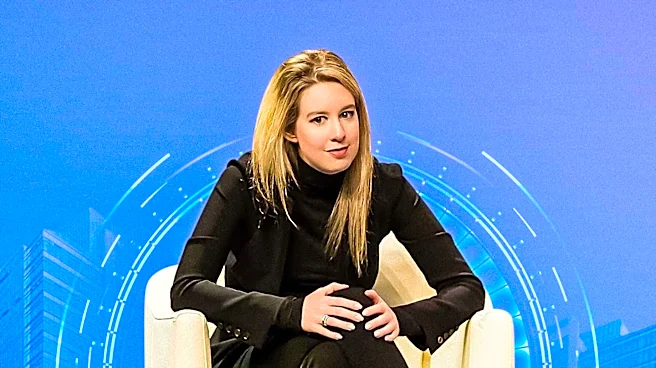





The story of Theranos and its founder Elizabeth Holmes is a ghost that haunts Silicon Valley. But beyond the headlines of fraud and a spectacular collapse, its true legacy is quieter and more profound, reshaping the very DNA of modern engineering.
The 'Fake It 'Til You Make It' Breaking Point
For
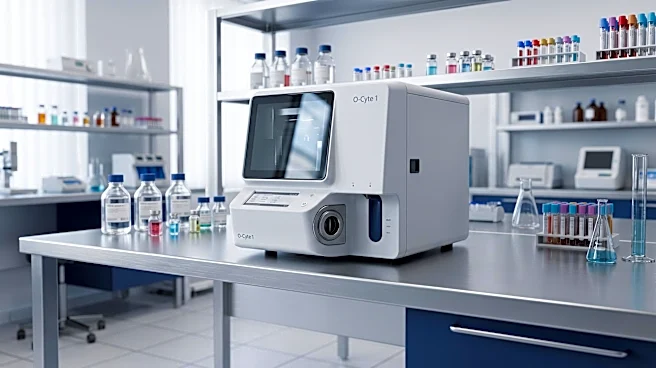
years, Silicon Valley operated on the mantra 'fake it 'til you make it'. It’s a culture that rewards bold vision and allows for releasing imperfect software that can be fixed later with updates. Theranos applied this ethos to a field where it became catastrophically dangerous: medical diagnostics. The company promised to run hundreds of tests on a single drop of blood, a claim experts in the field knew was likely impossible with current technology. But the ambition was intoxicating. The critical error was transposing a software development model onto a hardware and healthcare product, where bugs aren't just inconvenient—they can lead to misdiagnoses and life-altering consequences. The scandal served as a brutal reality check, forcing the tech and engineering worlds to confront the ethical chasm between an app that crashes and a medical device that delivers false results.
A Reckoning for Hardware and Health-Tech
Engineering isn't a monolith. Building a social media platform is fundamentally different from building a medical instrument. The Theranos saga underscored that 'hardware is hard' for a reason. Unlike code, physical products can't be patched overnight from a server. The company's failure to create a working device, despite its staggering $9 billion valuation, exposed the dangers of prioritizing narrative over verifiable results. This has led to a cultural shift. Today, there's a renewed appreciation for rigor in the engineering process, especially in biotech and health-tech. The idea that you can simply 'move fast and break things' has been replaced by a more sober understanding that when human health is involved, things cannot be broken. This has spurred a greater emphasis on peer-reviewed validation, transparency, and collaboration—the very things Theranos aggressively avoided.
The Rise of Engineering Ethics and Whistleblowers
Inside Theranos, a toxic culture of secrecy and intimidation reigned. Engineers and scientists were siloed, forbidden from communicating with other departments, and pressured to ignore or manipulate data that contradicted the company's claims. Those who raised ethical concerns or pointed out technical failings were marginalized or fired. The actions of whistleblowers like Tyler Shultz and Erika Cheung were pivotal in exposing the fraud, and their stories have become powerful case studies in engineering ethics courses and corporate training programs. The scandal has forced a conversation about the professional and ethical responsibility of individual engineers. It’s no longer seen as enough to simply follow orders; there's a growing understanding that engineers have a duty to public safety that can supersede loyalty to a manager or company.
Smarter Money and Stricter Due Diligence
Theranos didn't just fool the public; it fooled some of the wealthiest and most influential investors in the world. Many poured hundreds of millions of dollars into the company without ever receiving audited financials or independent verification that the technology actually worked. The company's insistence on secrecy, framed as protecting intellectual property, was used as a shield to hide its lack of progress. In the aftermath, the venture capital community has become far more rigorous in its approach to 'deep tech' and healthcare startups. Investors are now more likely to employ technical experts to vet scientific claims and demand independent validation before writing checks. The era of funding a charismatic founder's vision on faith alone, particularly in a highstaked field like healthcare, is largely over. The Theranos effect has made due diligence a much more serious—and skeptical—process.