






The Age of Digital Scrapbooks
In the beginning, there was connection. The first wave of social networks, like Friendster and MySpace, were built on a simple premise: helping you find and keep up with people you already knew. Your homepage was a static profile you decorated, and your
friends' list was a directory you manually built. To see what someone was up to, you had to actively visit their page. The experience was user-directed and, by today's standards, remarkably quiet. It was a tool, not an environment. The business model was still finding its footing, but the primary goal was to get users to sign up and map their real-world social connections onto a digital platform. The platforms were largely neutral hosts for user-created content, a far cry from the active directors they would become.
The Algorithmic Gamble
The great pivot came not with a bang, but with a feed. In 2006, Facebook launched the 'News Feed,' a feature that was initially met with user protests. Instead of you seeking out updates, the updates came to you. At first, it was chronological. But the truly revolutionary 'decision' was the shift to an algorithmic feed a few years later. This was the moment social media’s purpose changed. The goal was no longer just to facilitate connection; it was to maximize engagement. Instead of a neutral chronological list, a powerful new system began deciding what you should see based on what it predicted you'd interact with. It was a decision to stop being a passive directory and start being an active editor of your social life. This personal newspaper, as Facebook called it, learned what you liked and showed you more of it, forever changing the user experience.
Engineering Endless Engagement
To fuel this new algorithmic engine, platforms needed data. Lots of it. This led to the introduction of tools designed to measure and encourage engagement. The most famous of these is the 'Like' button. Initially resisted by some leaders who worried it would devalue more meaningful interaction, its adoption was a game-changer. The 'Like' wasn't just a way to give a virtual thumbs-up; it was a constant, low-effort way for users to feed the algorithm information about their preferences. Every click, every share, every second spent watching a video became a signal. These signals allowed platforms to create a highly personalized, and highly addictive, content loop. They prioritized posts that generated strong reactions, as this was a reliable indicator of engagement. The business model solidified around this principle: keep users on the platform longer to show them more targeted ads.
The World the Algorithm Built
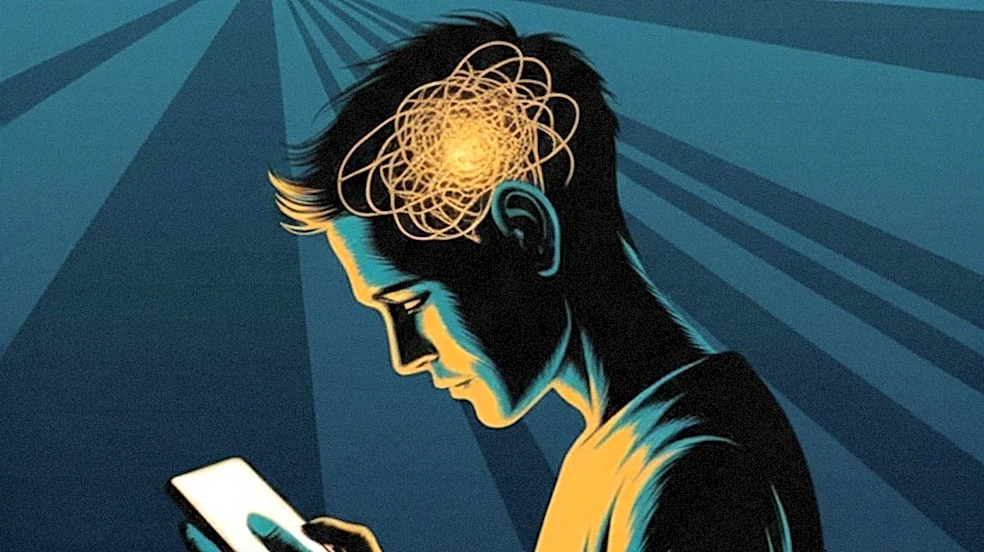
This single, strategic shift—from connection to engagement—had consequences that rippled far beyond the tech world. By optimizing for engagement, algorithms discovered that emotionally charged, controversial, and sensational content is extremely effective at capturing and holding attention. This inadvertently created an environment where outrage and misinformation could spread like wildfire. The platforms that were once designed to connect us with friends began to be criticized for creating echo chambers that reinforce our biases and polarize public debate. The focus on 'vanity metrics' like likes and followers also had a documented impact on mental well-being, as users began to perform for an audience and an algorithm simultaneously. The hidden decision to chase engagement above all else didn't just evolve social networking; it reshaped how we consume information, interact with each other, and perceive reality itself.