



An Engine for Modern Fandom
Before TikTok's niche communities and algorithm-driven trends, there was Tumblr. It wasn't the first place fans gathered online, but its architecture was revolutionary. The reblog function, which allowed users to share a post with their own commentary
attached, created a unique conversational ecosystem. Unlike a simple retweet, a reblog was a layered conversation that could evolve over years, creating what users called "heritage posts." This structure turned the platform into a perfect incubator for media fandoms like those for "Supernatural," "Sherlock," and One Direction. It was a space where fan art, fan fiction, GIFs, and elaborate theories could be shared, remixed, and discussed on a massive scale, creating a blueprint for how online communities engage with media today.
A Laboratory for Identity
For many young users in the 2010s, Tumblr was more than a microblogging site; it was a safe space. The platform's culture of relative anonymity, where you were known by your URL and not your real name, allowed for uninhibited self-expression. This was particularly crucial for LGBTQ+ youth, who found a haven to explore their identities, coin new terminology, and find community away from the judgment of the offline world or more mainstream social networks. The site became a hub for social justice discourse, where long-form text posts allowed for nuanced discussions that weren't possible on platforms with character limits. This environment fostered a generation of digitally native activists and normalized online identity exploration.
The Birthplace of Internet Aesthetics
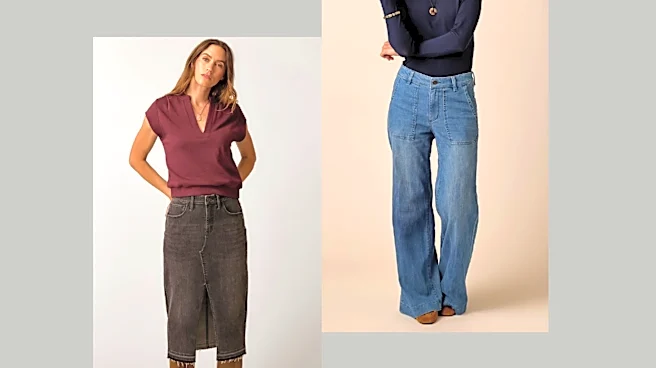
If you've heard of "cottagecore," "dark academia," or "soft grunge," you've seen Tumblr's influence. The platform's visual-first nature and customizable blogs made it a breeding ground for countless internet aesthetics. Users curated mood boards of images, quotes, and fashion that defined entire subcultures. Artists like Lana Del Rey and Arctic Monkeys found their sounds inextricably linked to these visual movements. Unlike the rapid-fire trend cycles of TikTok, these aesthetics grew organically over time, built by communities through shared visual language. This slow-burn cultural creation has since been co-opted and accelerated by other platforms, but the origin point for many of today's visual trends can be traced back to a Tumblr dashboard.
A Different Kind of Social Network
Tumblr’s design deliberately rejected the metrics that define other platforms. There were no public follower counts displayed prominently, and the culture was never centered around influencers or verified celebrities in the same way as Instagram or Twitter. It was a self-described "lawless anarchist society" where a blog dedicated to roleplaying as a potato could theoretically be as popular as a celebrity's—and no one would know the difference. This fostered an environment where content and creativity were valued over personal branding and clout. While this made it difficult to monetize and ultimately contributed to its struggles as a business, it was the very thing that made its culture so unique and beloved by its users.