




The Two Flavors of 5G
To understand the 5G you use every day, you have to know it comes in two main varieties: millimeter wave (mmWave) and Sub-6 GHz. Think of mmWave as the Formula 1 race car of cellular tech. It operates on super-high frequencies (above 24 GHz) and can deliver
mind-bending speeds of over a gigabit per second. This is the 5G that was demonstrated in early tech demos, downloading entire movies in seconds. On the other hand, Sub-6 5G uses lower frequencies, below 6 GHz, that are much closer to what 4G LTE networks have always used. Its speeds are more modest, typically ranging from 100 to 700 Mbps—a noticeable improvement over 4G, but not the earth-shattering leap many expected. The crucial difference lies in a fundamental trade-off: speed versus coverage.
Physics You Can't Ignore
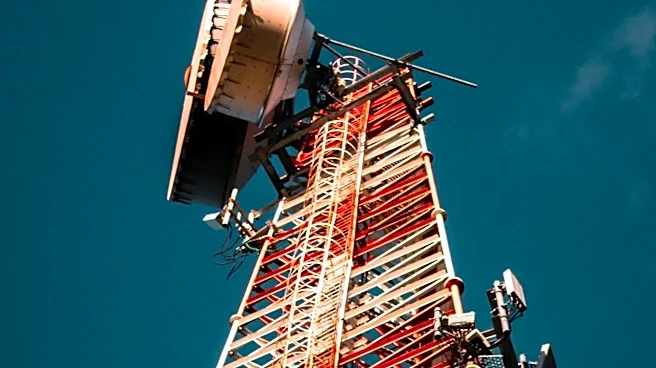
The problem with the race car, mmWave, is that it’s incredibly fragile. High-frequency radio waves are terrible at traveling long distances and even worse at penetrating obstacles. A single wall, a pane of glass, dense foliage, or even heavy rain can stop a mmWave signal in its tracks. To build a nationwide network using only mmWave would require a staggering number of mini cell sites—one on almost every city block, inside buildings, and throughout neighborhoods. The cost and logistical complexity would be astronomical. Sub-6 signals, because of their lower frequency and longer wavelength, behave much more like the 4G signals we’re used to. They can travel for several kilometers from a single tower and have excellent penetration through buildings and other obstacles, making them far more reliable for widespread, consistent coverage.
The Economics of a National Rollout
For wireless carriers, the decision to lead with Sub-6 was a pragmatic business calculation. Building a new generation of wireless infrastructure is one of the most expensive capital investments a company can make. Because Sub-6 frequencies are similar to the spectrum used by 4G, carriers were able to upgrade much of their existing tower infrastructure instead of building a brand-new network from scratch. Technologies like Dynamic Spectrum Sharing (DSS) even allow 4G and 5G to operate in the same frequency band, smoothing the transition. This strategy enabled carriers to quickly offer “nationwide” 5G coverage, getting the new technology into the hands of millions of users far faster and more cost-effectively than a mmWave-first approach ever could have.
The Real Goal Was Always Coverage First
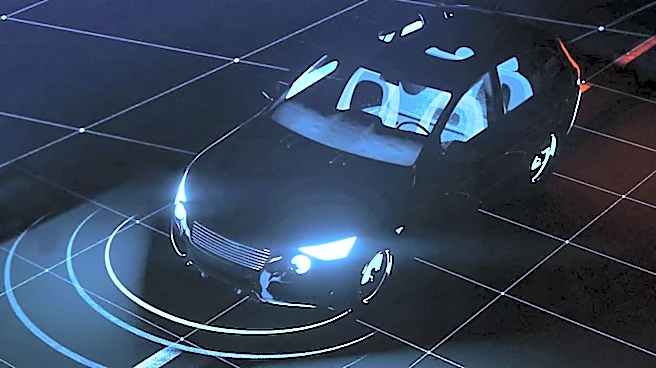
The “real reason” Sub-6 was designed and deployed the way it was is that the initial goal of 5G wasn't just about providing blistering phone speeds for a few people on a few city corners. It was about building a foundational layer for the future. This broad Sub-6 coverage provides more than just faster video streaming; it delivers lower latency and a massive increase in connection density, meaning it can support up to a million devices per square kilometer, compared to just 1,000 for 4G. This capability is essential not for your phone, but for the coming wave of Internet of Things (IoT) devices, from smart city infrastructure and connected cars to industrial automation. These applications require a stable, reliable, and wide-reaching network far more than they need gigabit speeds. Sub-6 was the sensible, necessary first step—the concrete foundation upon which the higher-speed, specialty applications of mmWave can be built in targeted, high-density areas like stadiums and airports.