



The Mental Offload Machine
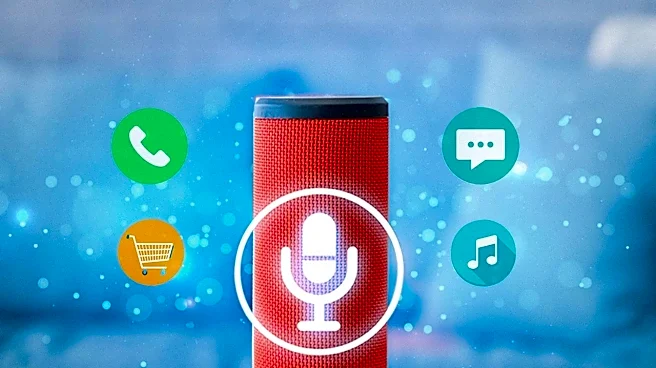
The first and biggest surprise for most new users is how quickly the smart speaker becomes an 'ambient computer' for life's small, annoying tasks. The advertised features are direct commands: "Play this song," "What's the capital of Nebraska?" The reality
is far more passive and much more useful. It's the ability to shout, "Remind me to take out the trash in two hours" while your hands are covered in dough, or adding milk to the shopping list the moment you realize the carton is empty. Each of these is a tiny mental burden, a little note-to-self that you used to have to track. The speaker outsources that mental clutter. It’s not about having one big conversation; it's about hundreds of tiny, frictionless interactions that free up brain space. This hands-free help is a game-changer, especially in chaotic moments.
The Accidental Smart Home Hub
Many people buy a smart speaker with no intention of creating a "smart home." They just want to play music or set timers. Yet, for millions, that single speaker becomes the gateway drug to home automation. It starts innocently: a single smart plug comes bundled with the speaker, or you get one as a gift. You connect a lamp. Suddenly, saying "Turn on the reading lamp" feels like magic. Before you know it, you’re controlling lights, thermostats, and even security cameras with your voice. The speaker’s true power isn't just being a speaker; it's being a universal remote for your entire house, connecting disparate devices from different brands under one vocal command center. It's an accidental upgrade to your home's entire operating system.
The Modern Family Intercom
In houses with more than one speaker, a new behavior quickly emerges: the whole-home intercom. The ability to "broadcast" a message like "Dinner is ready!" to every room at once ends the need to shout up the stairs. It sounds simple, but it fundamentally changes household communication. It also becomes a tool for kids. Parents often find their children using the speakers to call grandparents or ask for homework help without needing a screen. For older adults, especially those living alone, these devices can become a vital, easy-to-use link to family, allowing for simple, hands-free calls and check-ins that reduce feelings of isolation.
The Ultimate Focus and Sleep Tool
Everyone knows smart speakers can play music. What's surprising is how many people use them to play the absence of distracting noise. The request for ambient sounds—like rain, a crackling fireplace, or simple white noise—is one of the most common and beloved off-label uses. People quickly discover that asking their speaker to "play rain sounds" is a fast track to a better night's sleep or a more focused work session. It’s an audio tool that has nothing to do with albums or playlists. This feature provides a simple, screen-free way to manage your sonic environment, helping to block out noisy neighbors or create a relaxing atmosphere at the end of a long day.
The Unspoken Companion
This is the weirdest surprise of all: the device starts to feel like a presence. Researchers have noted that users, especially those who live alone, develop a kind of rapport with their voice assistant. It doesn't judge, it's always available, and it can provide a sense of social interaction without the complexities of human relationships. People confess their sadness to it or use it to settle trivial debates. While not a replacement for real human connection, the ability to simply speak a thought aloud and get a response can be a powerful tool against loneliness. For many, the speaker evolves from a utility into something that feels, oddly enough, like a part of the household.