








The Real Revolution Is Adaptive
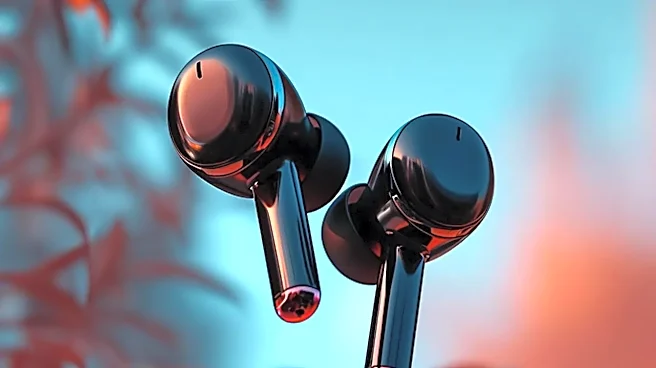
When the AirPods Pro 2 launched, much of the talk was about better noise cancellation and battery life—standard, iterative upgrades. But the true game-changer was a suite of features Apple collectively calls 'Adaptive Audio'. This isn't just one thing,
but a dynamic system that intelligently blends Active Noise Cancellation (ANC) and Transparency Mode. Instead of a binary choice between blocking the world out or letting it all in, the earbuds make the decision for you, moment by moment. Walking down a quiet street, you might hear everything. But when a loud truck roars by, the H2 chip inside the earbuds analyzes that sound 48,000 times per second to instantly dampen the harsh noise without completely isolating you. This move from a manual toggle to an automatic, ambient-aware system was a fundamental shift. It repositioned earbuds from a simple audio peripheral to a true augmented-reality device for your hearing.
Making Tech Less Anti-Social
A key component of this new adaptive system is 'Conversation Awareness'. It’s a simple concept with profound implications: when you start talking, the earbuds automatically lower your media volume and enhance the voices in front of you while reducing background noise. For years, a primary criticism of personal audio tech was its isolating nature—forcing you to pull out an earbud to have a simple conversation with a barista or colleague. Conversation Awareness solves this social friction. It acknowledges that we don't live in a bubble and that our tech should adapt to our interactions, not hinder them. This single feature signaled a new design philosophy for wearables: technology should seamlessly integrate into social situations rather than demand you step out of them. Competitors have since scrambled to replicate this, proving that Apple didn't just add a feature; it raised the expectation for what 'smart' listening means.
Hyper-Personalization Becomes the Standard
Another seemingly minor feature with major impact is Personalized Spatial Audio. Using your iPhone’s TrueDepth camera, you create a 3D scan of your head and ear geometry. This data is then used to create a unique spatial audio profile tailored specifically to how you perceive sound. It's the difference between a one-size-fits-all suit and a bespoke one. While spatial audio existed before, this level of personalization was new for a mass-market product. It demonstrated that the future of hardware isn't just about better specs, but about devices that mold themselves to the individual user. This pushed the industry toward an understanding that our own biometrics are the next frontier for user experience, turning a generic device into one that feels uniquely yours. It’s a quiet but powerful statement that the hardware itself is only half the product; the other half is you.
The Unseen Engine: The H2 Chip
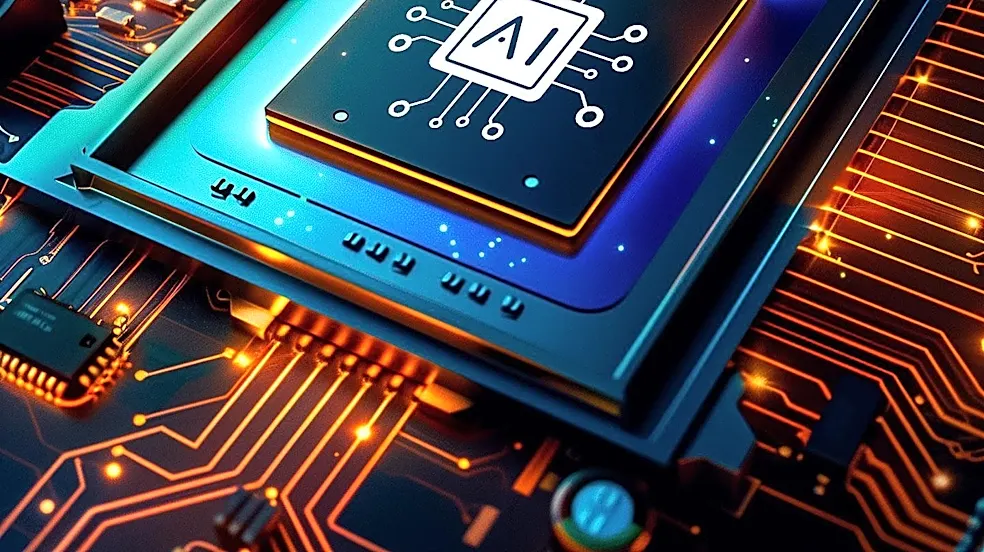
None of these features would be possible without the true 'hidden' powerhouse: Apple's custom H2 silicon. This chip is the engine that drives the improved noise cancellation, enables real-time Adaptive Audio processing, and delivers better battery life despite the intense computational demands. By designing its own chip, Apple can create tightly integrated experiences that competitors using off-the-shelf components struggle to match. The H2 isn't just a processor; it's a strategic advantage that allows software ambitions to become hardware reality. This vertical integration is what quietly reshaped the consumer hardware landscape. It sent a clear message to the industry: the most innovative features no longer come from just assembling parts, but from building a complete, end-to-end system where the hardware is purpose-built to serve the software's vision. This forced the entire market to rethink product development, prioritizing custom silicon and on-device intelligence over simply chasing specs.