




More Than Just a Box
In the early days of streaming, Roku’s mission was simple: sell affordable, easy-to-use hardware that could turn any television into a smart TV. Founded in 2002 by Anthony Wood, the company launched its first player in 2008, initially as a way to stream Netflix.
For years, this was the entire business model. Roku sold players, and the revenue came from those hardware sales. It was a solid strategy that established the brand, but it also put Roku in a precarious position. Competing in hardware meant going head-to-head with some of the biggest and most deep-pocketed companies on the planet: Amazon, with its Fire Stick; Google, with Chromecast; and Apple, with Apple TV. Selling boxes is a tough, low-margin business, and for a smaller, independent company like Roku, it was a battle that would be almost impossible to win long-term.
The Decision That Changed Everything
The pivotal, landscape-altering decision came around 2014: Roku would stop thinking of itself as a hardware company and start acting like a software company. Instead of focusing solely on getting its own boxes into homes, it made a strategic choice to license its operating system (OS) to television manufacturers. This was the hidden gem. The company began partnering with TV makers like TCL and Hisense, allowing them to build smart TVs with the Roku OS already installed. Suddenly, Roku no longer had to convince a customer to buy a TV and a Roku player; the Roku experience came built-in. This move was a masterstroke. TV manufacturers, especially those competing with giants like Samsung and LG, could now offer a best-in-class smart TV interface without spending millions on developing their own. In return, Roku got its platform onto millions more screens, creating a massive, captive audience.
The Power of the Platform
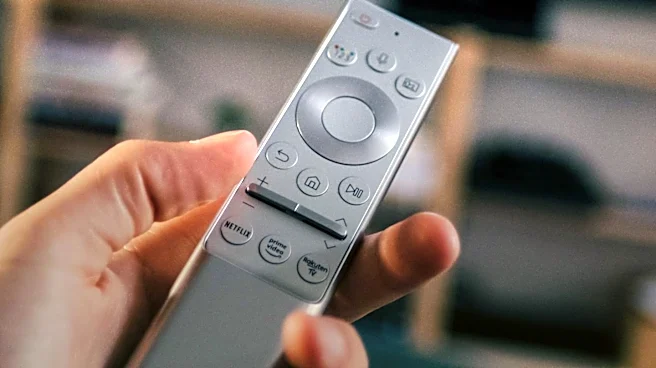
This strategic shift fundamentally changed Roku's business. The little black boxes and streaming sticks became what the business world calls a "loss leader" or a low-margin entry point. The real goal was no longer to make money from the device sale itself, but to acquire a user for the Roku platform. Once a user is on the Roku OS—whether through a stick or a TCL Roku TV—they are inside Roku's ecosystem. This ecosystem is where the real money is made. The company's revenue streams multiplied. It now earns a cut of subscription fees when users sign up for services like Max or Paramount+ through the Roku interface. It sells advertising on its home screen and within its own ad-supported service, The Roku Channel. It even gets paid by streaming services for the coveted branded buttons on its remotes. The hardware is just the delivery mechanism for a much more lucrative advertising and distribution business.
From Hardware Sales to Ad Dollars
The financial results of this pivot are staggering. In its early years, hardware sales accounted for the vast majority of Roku's revenue. Today, the situation has completely flipped. The high-margin "Platform" segment—which includes advertising, subscriptions, and licensing—now generates the lion's share of the company's money, often accounting for nearly 90% of total revenue. For example, in a recent quarter, platform revenue might exceed a billion dollars, while device revenue is just over a hundred million. This transformation is why Wall Street sees Roku not as a simple device maker, but as a powerful advertising platform that rivals social media and search engines for marketing dollars. It controls the gateway to the living room for nearly 90 million households, giving it immense power over what viewers see and how advertisers reach them.