





The Old 'Castle-and-Moat' Is Dead
Not long ago, corporate security was like a medieval fortress. The goal was to build an impenetrable wall—a perimeter—around the network. This wall consisted of firewalls and other gateways designed to keep bad actors out. Once you were inside the castle,
you were generally trusted. The problem? Phishing doesn't try to break down the wall; it tricks a trusted person into lowering the drawbridge. By targeting employees with deceptive emails, attackers could steal credentials and walk right through the front door, rendering the expensive moat and high walls almost useless. Once inside, they could often move around freely because the internal network assumed they were friendly. This single, persistent vulnerability revealed that trusting users just because they were 'inside' was a catastrophic design flaw.
Enter 'Zero Trust': The Era of Healthy Skepticism
The failure of the castle-and-moat model gave rise to a radically different philosophy: Zero Trust. First designed in 2010 but now a guiding principle, its mantra is simple: "Never trust, always verify." This framework assumes that a breach is inevitable—or may have already happened. It treats every single request for access as a potential threat, regardless of whether it originates from inside or outside the network. An employee's laptop trying to access a server is scrutinized just as closely as an unknown device from halfway across the world. Phishing is a primary driver for this shift. Because any user's credentials could be compromised at any time, the system can no longer grant trust by default. Instead, it continuously validates identity and context for every action, dramatically limiting the potential damage if an attacker does manage to steal a password.
Why You Have to 'MFA' Everything
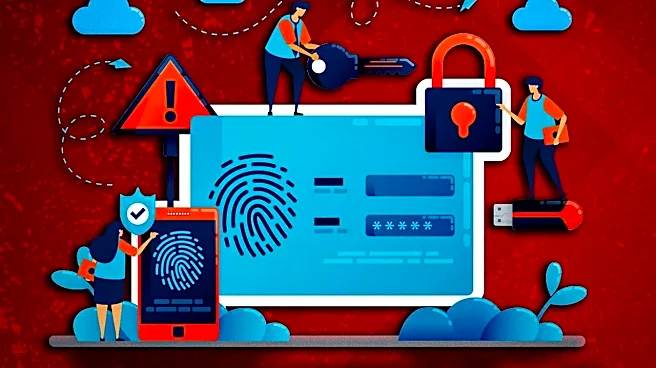
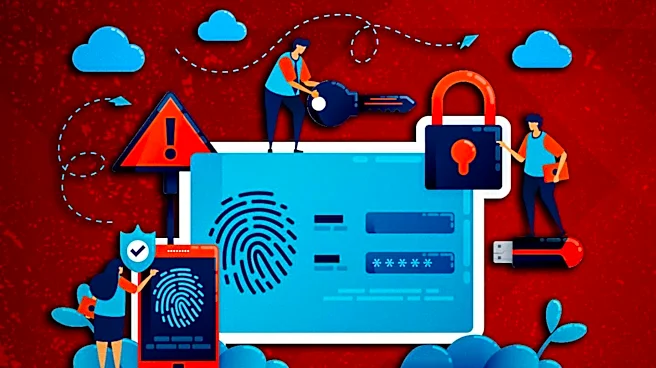
If you've ever been annoyed by having to approve a login on your phone after typing your password, you can thank phishing. Multi-Factor Authentication (MFA) has become non-negotiable precisely because phishing is so effective at stealing the first factor: the password. Requiring a second piece of evidence—like a code from your phone (something you have) or a fingerprint scan (something you are)—is one of the most effective defenses against account takeovers. But even traditional MFA is now under assault. Attackers use tactics like "MFA fatigue," where they bombard a user with push notifications until they accidentally approve one. This has pushed the industry toward even stronger, phishing-resistant MFA, such as FIDO keys, which use cryptography to bind your login to the legitimate website, making it structurally impossible to be tricked by a fake site.
Designing for Human Error, Not Perfection
The final, and perhaps most profound, shift is the acknowledgment that you can't train the human element out of the equation entirely. While security awareness training is crucial, modern architecture now assumes that, eventually, someone will click a malicious link. Instead of solely trying to prevent the click, the system is designed to contain the fallout. This includes technologies like email sandboxing, which opens links and attachments in a safe, isolated environment to check for malicious behavior before they reach the user. It also involves advanced threat detection that uses AI to monitor for unusual user behavior. If an employee's account suddenly starts accessing files it never has before at 3 a.m., a Zero Trust system can flag that activity and automatically lock the account, containing the breach before it becomes a disaster. Phishing has forced security to evolve from a strategy of prevention to one of resilience.