





What Is 'On-Platform' AI, Anyway?
Think of it as the difference between a five-star restaurant and a home-cooked meal. Cloud AI is the restaurant: a massive, powerful kitchen (data center) prepares your order and sends it to you. It's powerful, but there's a wait. On-platform AI, also
known as on-device AI, is like having a world-class chef in your own kitchen. The work happens right where you are, using local ingredients—in this case, your device's own processor and data. Instead of sending a request across the internet, your smartphone or laptop uses its own specialized hardware to run the AI model directly. This means AI tasks like real-time camera enhancements or predictive text happen locally, without ever needing to phone home to a distant server.
The Science of Instant Gratification
The secret ingredient that makes on-platform AI feel so natural is the near-total absence of lag, or latency. When you ask a cloud-based AI to do something, your request travels to a server, gets processed, and the result travels back. This round trip, even if it only takes a second, is perceptible to the human brain. Psychologically, delays under one second allow us to feel in control, while longer waits break our mental flow and cause frustration. On-device AI eliminates that round-trip delay. The computation happens instantly, right on the chip. This sub-second response feels less like using a computer and more like a natural extension of your own thoughts, creating a seamless experience where the technology disappears.
Your Secrets Stay on Your Device
Beyond speed, there's a powerful psychological component: trust. When you use on-platform AI to summarize a sensitive work email or search through your personal photos, the data stays on your device. This inherently feels more secure than uploading personal information to a remote server, even a secure one. This privacy-by-default model is a key advantage. Knowing that your voice commands, keystrokes, and photos aren't being shipped across the internet for processing creates a sense of safety and control, making you more willing to engage with and rely on the AI features built into your tools. It changes the user relationship from one of cautious permission to one of implicit trust.
The Hardware That Makes It All Possible
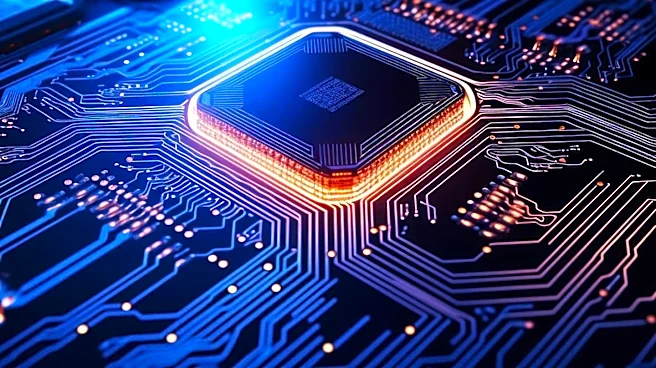
This shift from cloud to device isn't a software trick; it’s enabled by specialized hardware. For years, your device’s main processors (the CPU and GPU) handled all tasks. But modern devices now include a Neural Processing Unit, or NPU. An NPU is a chip designed specifically to run AI calculations efficiently. It’s like having a specialized math brain that’s incredibly fast at the specific types of operations AI models rely on, all while using less power. This dedicated hardware offloads the AI work from the main processors, allowing for lightning-fast performance on tasks like voice recognition and image processing without draining your battery. Without the NPU, powerful on-device AI simply wouldn't be feasible on a handheld device.
It Just Works, Even on a Plane
One of the simplest yet most profound benefits of on-platform AI is that it doesn't need an internet connection to function. Because the models and processing happen locally, features like live translation, photo editing, or audio transcription work just as well in a subway tunnel or on an airplane as they do in your office. This reliability makes the AI feel like a core, fundamental part of the device itself, rather than a web service you're temporarily accessing. When a feature is always available, regardless of connectivity, it becomes something you can depend on, further cementing that feeling of natural, seamless integration into your daily life.