






From Boxy to Widescreen and Beyond
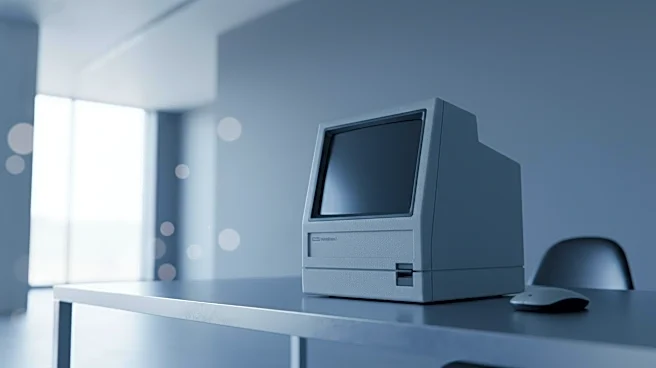
For decades, computer screens were squarish, following the 4:3 aspect ratio of old televisions. Around the early 2000s, the move to widescreen began, first with the 16:10 ratio and then settling on the 16:9 standard around 2008, driven by the rise of high-definition
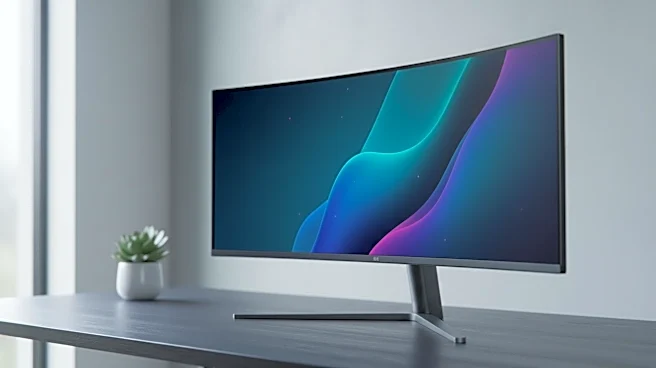
TV. This was great for watching movies, but it was just the beginning. The next leap wasn't about making screens bigger, but wider. Inspired by cinematic formats like CinemaScope, manufacturers began producing 21:9 displays. Initially, these were expensive, niche products for film editors and financial traders who needed to see vast timelines and data streams at a glance. But as prices fell, they found a new, massive audience: gamers and everyday multitaskers.
A New Playground for Gamers
For gamers, the appeal was immediate and visceral. In supported titles like racing simulators, open-world adventures, and first-person shooters, an ultrawide monitor expands the horizontal field of view (FOV). This doesn’t just make the experience more immersive by filling your peripheral vision; it can offer a genuine competitive advantage by letting you spot opponents or obstacles you'd otherwise miss. The industry responded. Game developers began optimizing for 21:9 and even more extreme 32:9 "super ultrawide" formats. Suddenly, a monitor wasn't just a passive window into a game world; its very shape could enhance how you played.
Redefining the Digital Workspace
The impact on productivity was just as profound. The promise of an ultrawide was simple: get the benefit of two monitors without the annoying bezel in the middle. For anyone working with spreadsheets, complex timelines in video or audio editing, or simply juggling multiple windows, the continuous horizontal space was a revelation. You could have a document open next to your research, or a group chat visible alongside a presentation, without constantly alt-tabbing. It streamlined workflows and reduced the cognitive load of switching between contexts. Operating systems like Windows and macOS evolved, building in better window-snapping tools that made managing the extra real estate effortless.
The Unseen Push on Graphics Cards
Herein lies the quietest but most significant reshape. Driving an ultrawide monitor requires more horsepower. A typical 3440x1440 ultrawide has about 34% more pixels than a standard 1440p display. This increase puts a significant extra load on a computer's graphics card (GPU). Gamers who upgraded their monitors soon found their existing GPUs struggling to maintain high frame rates. This created a new demand cycle. To properly enjoy their new, immersive screens, users needed more powerful—and more expensive—GPUs. Graphics card manufacturers like NVIDIA and AMD, in turn, began marketing their high-end cards based on their ability to handle ultrawide and 4K resolutions smoothly. The monitor, once an afterthought, was now directly influencing the development and marketing of the most powerful component in a PC.