


The Pioneers and Their Prototypes
The dream of merging human and machine is older than the microchip, but the first true wearable computers emerged from academic labs in the late 20th century. The most prominent pioneer is Professor Steve Mann, often called the "father of wearable computing."
Starting in the 1980s, Mann built and wore his own digital eye glass inventions, cumbersome contraptions that required a backpack full of hardware. His goal was to create a computer-mediated reality, augmenting human vision with digital information. While these early rigs were far from consumer-friendly, they established the foundational concept that drives today’s smart glasses: using technology to enhance, not distract from, the physical world.
The First Gadgets on Your Wrist
Long before smartwatches could track your heart rate, they struggled to just do math. The first wave of consumer wearables landed on our wrists in the 1970s and 80s. In 1975, Pulsar introduced a calculator watch, a clunky but futuristic device that was a status symbol for tech enthusiasts. Seiko took it a step further, launching a series of wrist computers. Their most famous (and audacious) creation was the 1982 TV Watch, which allowed you to watch television on a tiny 1.2-inch screen, provided you were connected to a pocket-sized receiver. It even made a cameo in the James Bond film 'Octopussy'. These devices were impractical, but they represented the first commercial attempts to make computers a part of our personal attire.
The Fitness Revolution Changes Everything
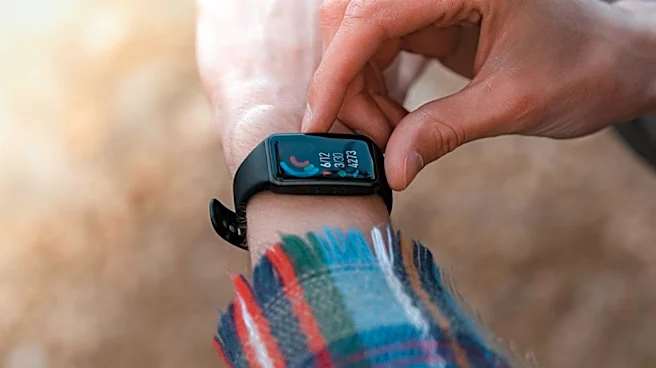
For decades, wearables were a niche curiosity. That changed when they stopped trying to do everything and focused on doing one thing perfectly: tracking activity. The launch of the first Fitbit in 2009 was a watershed moment. The simple clip-on device tracked steps, distance, and calories burned, syncing the data to a user-friendly app. This kicked off the "quantified self" movement, where people used data to understand and improve their own health. Fitbit proved that a wearable didn't need a flashy screen or complex features to be successful; it needed a compelling reason to be worn every day. This focus on a single, powerful use case created the first truly mainstream wearable market and paved the way for the smartwatches that would follow.
The Ambitious Failure of Google Glass
No device looms larger in the pre-history of modern smart glasses than Google Glass. Unveiled with a skydiving demo in 2012, Project Glass was supposed to be the future. It promised a seamless, voice-controlled overlay of information on your world. But the reality was messy. At $1,500, it was prohibitively expensive for most consumers. More importantly, it faced a massive social backlash. Users were dubbed "Glassholes," and the device's always-on camera sparked intense privacy concerns. The product was awkward, the battery life was poor, and it lacked a killer app beyond its novelty. Though the consumer version was a commercial failure, Google Glass was an invaluable public experiment. It taught the entire industry crucial lessons about the importance of fashion, social acceptance, and the need for technology to blend in, not stand out.