






For years, Square was the company that let your favorite coffee shop or flea market vendor finally take credit cards. But the little white reader was just the opening act. The decision that truly reshaped the company wasn't loud; it was a quiet bet.
The Little White Reader That Could
When
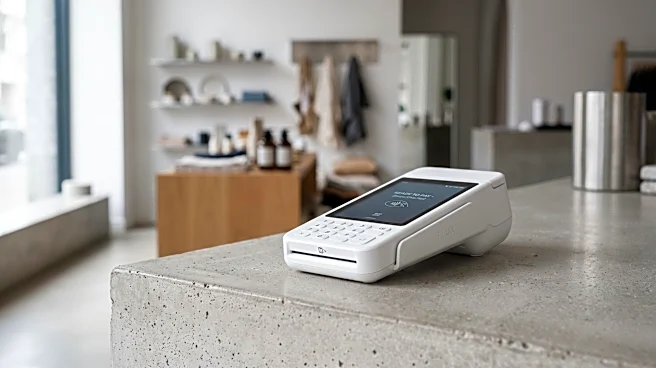
Square launched in 2009, its mission was simple and revolutionary: solve a massive problem for small businesses. Co-founders Jack Dorsey and Jim McKelvey created a small, elegant card reader that plugged into a smartphone, allowing millions of merchants to accept credit cards without the costly and complicated systems required by traditional banks. For the better part of a decade, this was Square's identity. It was a hero to the little guy, a B2B company focused on empowering sellers with payment processing, payroll services, and even small business loans through Square Capital. Its brand was synonymous with its seller business, the core engine of its growth.
The 'Trojan Horse' in Plain Sight
In 2013, Square quietly launched a peer-to-peer payment service called Square Cash, later renamed Cash App. Initially, it was a simple tool for individuals to send money to each other, a direct competitor to Venmo. For years, it seemed like a side project, an experiment in the consumer space. But the hidden decision that would redefine the company was the steady, deliberate evolution of Cash App from a simple utility into a full-blown financial ecosystem. This wasn't a single pivot but a series of them: introducing a debit card, offering 'Boosts' (discounts for users), and then, critically, enabling the purchase of stocks and Bitcoin. Each new feature was designed to increase engagement and gather invaluable user data, turning a simple payment app into what some called a 'trojan horse' for a much larger play in consumer finance.
When the Side Project Became the Main Event
The true power of this strategy became undeniable during the pandemic. As in-person retail slowed, impacting Square's core seller business, Cash App exploded. It became a primary vehicle for millions to receive stimulus checks and unemployment benefits. Its user base soared, and revenue followed. By 2020, Cash App was reportedly worth nearly two-thirds of Square's entire market value, with its gross profit growth consistently outpacing the original seller business by a wide margin in the years that followed. The app had successfully transitioned from a payments tool to a digital wallet and, increasingly, a consumer bank. It offered loans, investment services, and a direct line to the world of cryptocurrency, a particular passion of CEO Jack Dorsey.
A New Name for a New Company
By 2021, the company known as Square had been fundamentally reshaped from within. The original seller business was still important, but Cash App was the engine of growth and the heart of its future ambitions. Recognizing this, the corporate entity changed its name to Block, Inc. The move was a clear signal: the company was no longer just 'Square,' the seller-focused business. It was now a collection of 'blocks'—including Square, Cash App, the music service Tidal, and crypto-focused initiatives. The new name acknowledged that the company's center of gravity had shifted from merchants to a broader financial ecosystem, with a heavy emphasis on blockchain technology and consumer finance. The decision to nurture Cash App from a simple experiment into a financial powerhouse had paid off, transforming the very identity of the company.