








The 'Write Once, Run Anywhere' Revolution
In the early 1990s, building software was a fractured process. An application written for Windows wouldn't work on a Mac or a Linux machine without a significant, costly rewrite. Sun Microsystems introduced Java in 1995 with a radical promise: 'Write
Once, Run Anywhere'. The magic behind this was the Java Virtual Machine (JVM), an abstraction layer that sits between the code and the operating system. Developers could write their program once, compile it into an intermediate 'bytecode', and the JVM on any given machine would translate that bytecode into native machine instructions. This portability was a game-changer, saving companies immense time and money and setting a new standard for cross-platform development.
Building the Corporate World's Backbone
While initially associated with web applets, Java's true destiny was in the enterprise. Large corporations needed to build massive, complex systems that were secure, stable, and scalable—and Java checked all the boxes. Its architecture was designed with security in mind, running code in a 'sandbox' to protect the host system. Features like automatic memory management, known as garbage collection, prevented common sources of crashes and memory leaks that plagued other languages. This reliability, combined with a rich ecosystem of libraries and frameworks like Spring, made Java the undisputed king of server-side, mission-critical applications for finance, e-commerce, and logistics. It became the language for systems that simply could not fail.
An Unexpected Second Act on Mobile
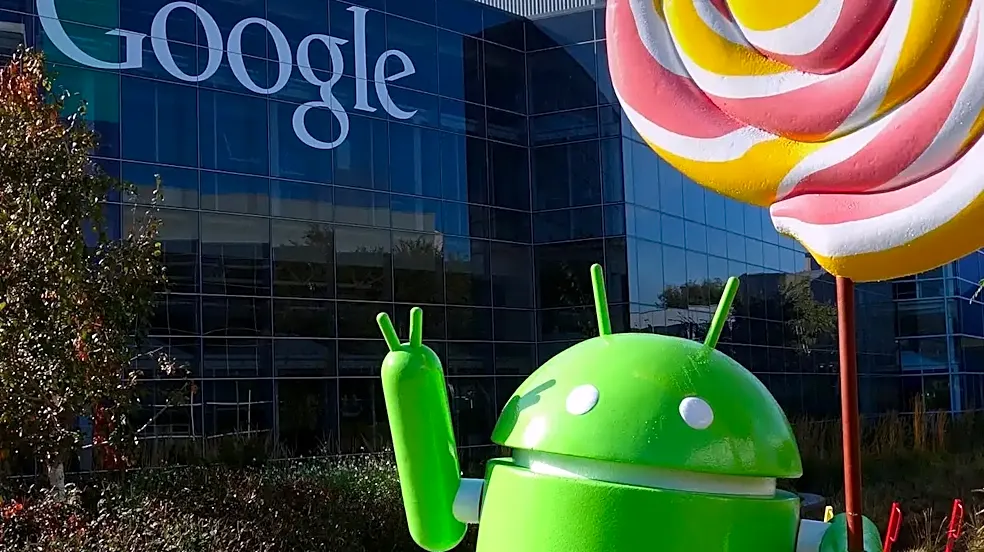
Just as some began to see Java as a legacy language for big iron servers, it found a vibrant second life in the palm of your hand. When Google was developing its Android operating system, it needed a mature, reliable language with a massive pool of existing developers. Java was the perfect fit. While Android doesn't use a standard JVM—it uses a specialized runtime called ART—it adopted Java's core syntax and principles. This decision instantly gave millions of Java developers the tools to start building mobile apps, fueling the explosive growth of the Android ecosystem. Today, Java remains a core technology for countless Android apps, from simple utilities to complex enterprise tools.
The Invisible Architect of Modern Code
Perhaps Java's most profound impact is how its ideas have been absorbed by the broader software world. The concept of a virtual machine is no longer novel; Microsoft's .NET framework with its Common Language Runtime (CLR) reflects a similar philosophy. Languages like Kotlin, Scala, and Clojure were designed to run on the JVM, leveraging its mature performance, tooling, and massive library ecosystem. Key Java features, such as built-in support for multithreading (running multiple tasks at once) and its strong object-oriented model, have deeply influenced the design of languages from C# to Python. Even if a developer isn't writing Java, they are likely working in a world that was shaped by its foundational concepts.