







The Promised Land vs. The Painful Reality
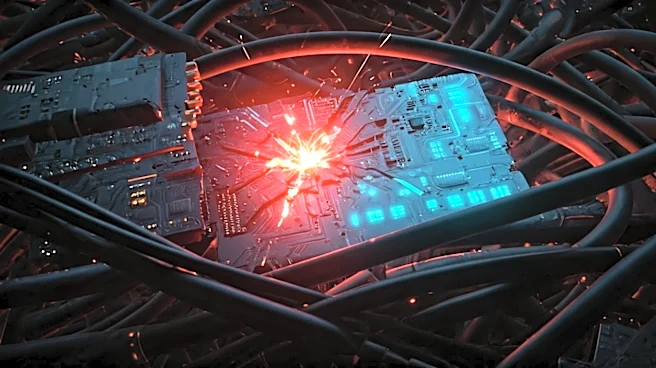
First, let’s get the sales pitch out of the way. CI/CD, which stands for Continuous Integration and Continuous Deployment/Delivery, promises a world of speed and safety. Code changes are automatically tested and seamlessly rolled out to users, sometimes dozens of times a day. For businesses, this means faster feature delivery, quicker bug fixes, and a massive competitive edge. On paper, it’s a perfect system. The disagreement begins when the blueprint meets the real world. Many senior engineers have lived through the painful implementation of these 'perfect' systems. They've seen elegant diagrams turn into a tangled mess of scripts, plugins, and third-party tools that are brittle, opaque, and require a dedicated engineer just to keep the lights
on. The promise was 'more time coding,' but the reality can often feel like 'endless time debugging the deployment process.'
Velocity vs. Vigilance: A Philosophical Divide
At the heart of the debate is a fundamental tension between two engineering virtues: speed and stability. One camp, often championed by product-focused leaders and startups, argues for maximum velocity. The only way to win is to ship constantly, get feedback, and iterate. A slick CI/CD pipeline is the engine of this philosophy. Mistakes are acceptable because the pipeline allows you to fix them just as quickly. The other camp, typically populated by engineers who have been paged at 3 a.m. to fix a catastrophic failure, argues for vigilance. They believe that while speed is important, reliability is paramount, especially in systems handling sensitive data, finance, or critical infrastructure. They see an overzealous focus on automated, hands-off deployments as a recipe for disaster. For them, a strategic 'pause'—a manual approval step, a more rigorous staging environment, or a slower release cadence—isn't a bug; it's a feature designed to prevent calamity. This isn't a technical disagreement; it's a clash of risk tolerance.
When the Plumbing Becomes the Project
Another major point of contention is the sheer complexity of modern CI/CD tooling. What started as simple build scripts has evolved into a sprawling ecosystem of tools like Jenkins, GitLab CI, CircleCI, GitHub Actions, and a dizzying array of configuration files, often written in YAML. Senior engineers, who are paid to solve complex business problems with code, find themselves spending an inordinate amount of time becoming 'YAML engineers.' They’re writing code to configure the system that deploys the *actual* code. This creates a huge maintenance burden. When a pipeline breaks—and it will—it often requires specialized knowledge to fix, pulling senior talent away from developing the product itself. The argument from these veterans is that the industry has become so obsessed with the elegance of the delivery mechanism that it's forgotten that the plumbing is only there to serve the house, not become the house itself.
The Tyranny of a 'One-Size-Fits-All' Solution
Finally, much of the friction comes from how CI/CD is implemented within large organizations. Often, a central 'platform' or 'DevOps' team will create a standardized, mandatory pipeline for all engineering teams. While this makes sense from a governance perspective, it often fails to account for context. A team building a low-stakes internal marketing site has very different needs than a team managing a core transaction database. Yet, both might be forced to use the same rigid, complex pipeline. Experienced engineers push back against this 'one-size-fits-all' approach. They argue for team autonomy and the ability to choose the right tool for the job. A senior engineer on a legacy system might rightly argue that bolting on a complex, modern CI/CD pipeline is more risk than it's worth. The disagreement, then, is often less about the principle of automation and more about the loss of engineering judgment to bureaucratic mandates.