






The Crisis of Trust
In the summer of 2011, Airbnb was a rising star, but its entire premise—letting strangers sleep in your home—was built on a fragile foundation of trust. That foundation shattered when a host's San Francisco apartment was ransacked and vandalized by a guest.
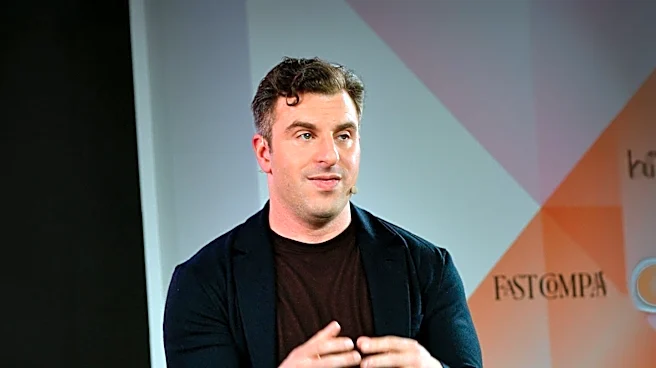
The story went viral. The hashtag #RIPAirbnb began trending as critics predicted the company's imminent demise. Chesky later called it the moment that defined him as a CEO. His initial response was criticized, but he quickly course-corrected. Instead of deflecting blame, Chesky published a heartfelt public apology and took full ownership of the problem. More importantly, he backed it up with action, introducing a $50,000 Host Guarantee to cover damages. It was a huge financial risk for a young company, but it was a decisive move that turned the company's biggest weakness into a strength. By choosing to own the trust problem, Chesky didn't just save the company; he built the infrastructure of trust and safety that allowed it to scale globally.
The War for Legitimacy
As Airbnb grew, it ran headfirst into a wall of opposition from city governments and the hotel industry. From New York to Paris, regulators and lobbyists argued that the platform facilitated illegal hotels, drove up rent prices, and hollowed out residential neighborhoods. This wasn't a simple business dispute; it was a fundamental battle over Airbnb's right to exist. For years, the company was locked in expensive and distracting legal fights across the globe. Chesky and his team had to pivot from being a tech company to a political operation, learning to negotiate with mayors, mobilize hosts into advocacy groups, and reframe their narrative. They argued that Airbnb helped residents earn extra income and spread tourism dollars beyond traditional hotel districts. While regulatory battles continue to this day, Chesky’s leadership helped the company navigate the complex political landscape, striking deals and making compromises to secure its place in major markets, a feat many sharing-economy startups failed to achieve.
The Pandemic That Changed Everything
In early 2020, the COVID-19 pandemic brought global travel to a dead stop. For a company whose business is travel, the impact was catastrophic and immediate. In the span of eight weeks, Airbnb lost 80% of its business. The company was hemorrhaging cash and its much-anticipated IPO was off the table. Chesky had to make brutal decisions, fast. He secured emergency funding, slashed marketing budgets, and laid off nearly 1,900 employees, about 25% of the workforce. In a memo that became a model for compassionate leadership, he was transparent about the reasons and provided generous severance and support. But survival wasn't just about cutting costs. Chesky refocused the company on its core business. As lockdowns eased, he correctly predicted that travel would change—people would want to drive, stay closer to home, and book longer stays to work remotely. Airbnb quickly adapted its platform to highlight local getaways and long-term rentals, meeting the new demand. The pivot worked. Less than a year after facing near-collapse, Airbnb launched one of the most successful IPOs in tech history.