







The Fortress and its Crown Jewel
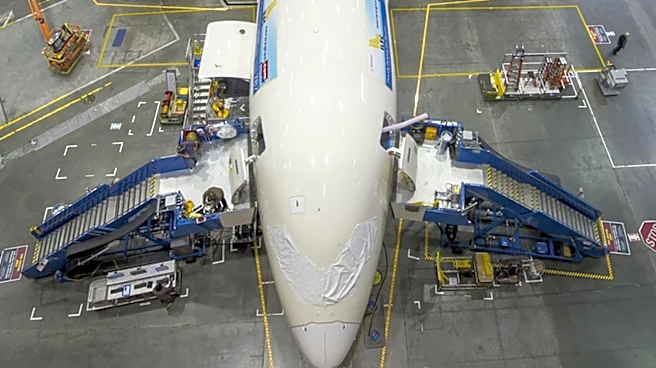
Every great moat has a castle, and for Northrop Grumman, that castle is the B-21 Raider. As America’s next-generation stealth bomber, the B-21 is more than just an aircraft; it’s a multi-decade franchise. These are the kinds of long-cycle, high-barrier
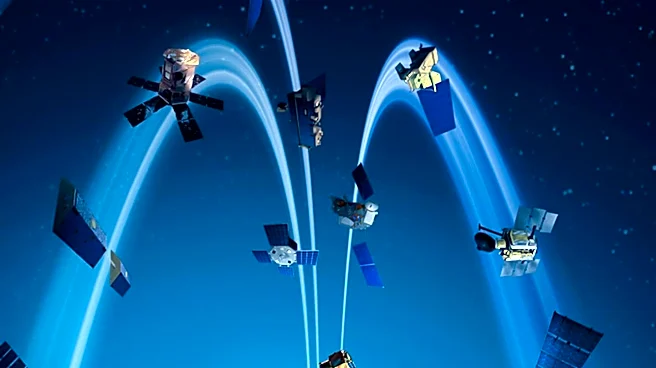
programs that competitors can't easily replicate, securing revenue streams for a generation. The company is positioned to build at least 100 of these planes for the U.S. Air Force, with a total program value estimated to eventually exceed $200 billion over 30 years. But the moat isn't just about one bomber. It extends into the cosmos with a booming space business focused on national security, resilient satellite networks, and missile defense. The company’s work on the Space Development Agency’s new architecture and its role in strategic deterrence with the Sentinel ICBM program are other key pillars. These are not small, speculative bets; they are foundational elements of U.S. national security.
A Strategy of 'Quiet Concentration'
Under the leadership of CEO Kathy Warden, Northrop Grumman has pursued a strategy of quiet concentration. Instead of chasing a high volume of smaller contracts, the company has focused its resources on winning massive, technologically demanding, and often classified programs. This approach was solidified by strategic moves like the 2018 acquisition of Orbital ATK, which massively bolstered its capabilities in solid rocket motors and space systems, and the 2011 spinoff of its shipbuilding business to sharpen its focus on aerospace and electronics. This vertical integration in areas like propulsion gives Northrop a powerful industrial edge, making it a critical supplier even for its competitors' platforms. This focus on indispensable, high-tech components and platforms means the company becomes deeply embedded in the Pentagon's long-term plans, creating a stability that Wall Street often overlooks.
Why the Market Looked Away
So if this strategy was so brilliant, why did so many on Wall Street seem to miss it? The answer lies in timelines. Market analysts are often driven by quarterly results and predictable, near-term growth. A program like the B-21, however, requires immense upfront investment and operates on a decade-long timeline, with much of its progress shrouded in secrecy. For years, these programs were in a costly development phase, sometimes even posting losses on early production lots, which can spook investors focused on immediate profits. While Northrop was building its moat, other companies might have been delivering more predictable short-term returns. The market has a 'tendency to punish execution challenges' and is often wary of the lumpy, milestone-driven nature of large defense contracts. It was only as these massive programs moved from development into production that the sheer scale of the company’s locked-in future revenue became undeniable.
The Payoff Phase
Now, the strategy is entering its payoff phase. The B-21 Raider is in low-rate production, with the Air Force accelerating plans to build out the fleet. The company’s space segment is projected to rebound to around $11 billion in sales for 2026 after a transitional period. Northrop ended its most recent quarter with a record backlog of over $100 billion, providing enormous visibility into future sales. The company's deep integration into national security priorities, from nuclear modernization with the Sentinel missile to the future of space warfare, has positioned it at the center of the Pentagon's most critical investments for the coming decades. The once-quiet strategy is now making a lot of noise on balance sheets, forcing analysts who may have once been skeptical to re-evaluate the company's long-term value.