




The Diverging Roads of Rideshare
For years, Uber and Lyft were on the same road, fighting a costly war for market share with subsidized rides and driver bonuses. Now, their paths are splitting. While Uber aggressively expands into a global “everything” platform—spanning food delivery,
grocery, and freight—Lyft is doing the opposite. It’s doubling down on its original mission: ridesharing. The big bet isn't on a flashy new technology, but on perfecting the core experience, particularly for its drivers. Instead of chasing new verticals, Lyft is spending heavily to become the undisputed best platform for people who drive for a living. This includes investments in driver support centers, better earning tools, and more predictable pay structures. It's a move away from the gig-economy ethos of pure flexibility and toward a more supportive, driver-centric model.
Uber's 'Super App' Gamble
To understand why Lyft's move is so unusual, you have to look at Uber. Under CEO Dara Khosrowshahi, Uber's strategy is to become a sprawling logistical and commercial ecosystem. The goal is to be an “everyday utility” that touches every part of a consumer's life, from getting to the airport to ordering dinner and booking travel. Uber is leveraging its massive scale, vast user base, and investments in AI and autonomous vehicle infrastructure to create a platform where each service feeds the others. This diversification is seen by many analysts as a strength, providing multiple revenue streams and a wider competitive moat. By contrast, Lyft has no grocery delivery arm and has remained focused almost exclusively on moving people, a strategy that looks intensely focused—or dangerously narrow, depending on your perspective.
The Logic Behind the Bet
So why is Lyft swimming against the current? The company's leadership believes that the rideshare pie itself is still growing and that the best way to win is to offer a superior, more reliable service. The logic is that happy, supported drivers lead to better rider experiences, which in turn builds loyalty and sustainable growth. Lyft is investing in features like its AI-powered "Earnings Assistant" to help drivers maximize their time on the road and introducing wait time pay after just one minute. This contrasts with the perception that drivers are just interchangeable cogs in a larger machine. By creating a more stable and profitable environment for drivers, Lyft hopes to attract and retain the best and most professional operators, reducing churn and improving service quality. It's a bet that specialization and quality will ultimately matter more than sheer scale and diversification.
A High-Stakes Road Ahead
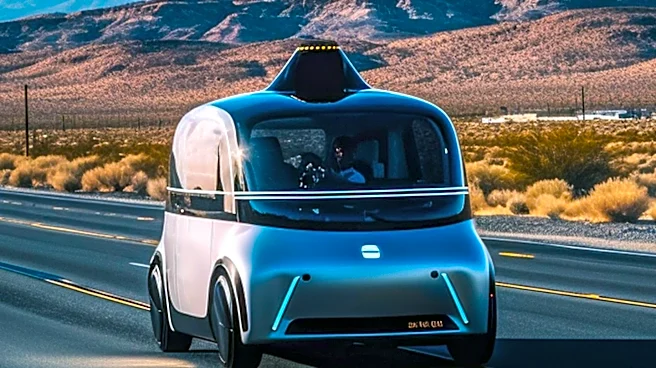
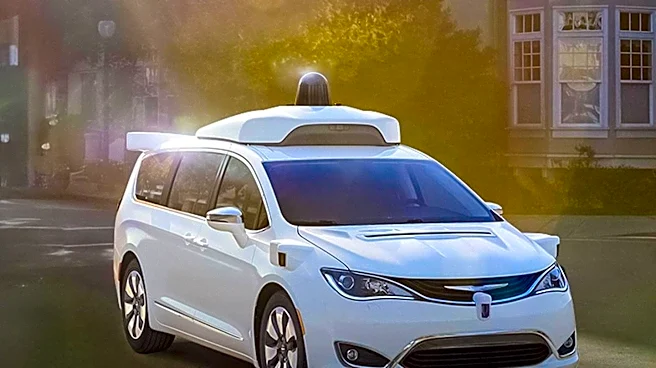
This strategic divergence carries significant risk for Lyft. The company's recent financial performance has shown strong cash flow, but some analysts worry that it is spending heavily on marketing and incentives to buy growth in a brutal duopoly. If Uber's “super app” strategy succeeds, Lyft could be left behind as a niche player with limited growth potential. Analysts remain cautiously optimistic, with many holding a "Hold" rating on the stock, suggesting they see modest growth but are waiting to see if the strategy pays off in profitability. Furthermore, the looming presence of autonomous vehicles (AVs) complicates things. Uber is positioning itself to be a large-scale operator of AV fleets from multiple partners, while Lyft is taking a more partnership-focused approach with companies like Waymo. Lyft's success may hinge on whether its focused, driver-first approach can keep pace with a rapidly changing technological landscape.