
The Dawn of the Digital Wrist
Before Apple and Samsung dominated the market, the smartwatch landscape was a chaotic and creative free-for-all. The early 2010s were the Wild West, defined by scrappy startups like Pebble. Pebble, famously
launched on Kickstarter, didn't try to shrink a smartphone onto your wrist. Instead, it focused on doing a few things well: showing notifications, controlling music, and, crucially, lasting for a week on a single charge. It used a power-sipping e-paper screen and physical buttons, a stark contrast to the touchscreens that would later become standard. This era was characterized by fragmentation and fundamental questions. What was a smartwatch actually for? Was it a fitness tracker, a notification center, or a fashion statement? Companies like Google with its early Android Wear platform, and various other manufacturers, threw ideas at the wall, wrestling with the core purpose of a wrist-worn computer. This initial phase of experimentation was critical, exposing the immense engineering hurdles that needed to be overcome.
The Unwinnable Battle for Battery Life
The single greatest challenge was, and arguably still is, battery life. A device that needs charging multiple times a day is not a convenient watch. Engineers were caught in a brutal trade-off. A bright, high-resolution color screen, a powerful processor, and constant connectivity all drain power, but a watch, by its very nature, has a tiny space for a battery. The early smartwatch wars forced a generation of engineers to become experts in low-power computing. This battle wasn't won with a single breakthrough, but through a thousand small victories. It drove the development of highly efficient Systems-on-a-Chip (SoCs) that could perform tasks quickly and then go into a deep sleep state. It spurred innovation in display technology, from Pebble's e-paper to the power-saving features of modern OLED screens that only light up necessary pixels. These lessons in power management are now fundamental to the entire Internet of Things (IoT) ecosystem, from smart home sensors to remote industrial equipment.
Redefining User Interaction on a Tiny Screen
How do you interact with a computer the size of a large coin? A smartwatch screen is too small for a traditional keyboard or complex menus. The smartwatch wars forced designers and engineers to invent a new language of interaction. This went beyond just shrinking icons. Apple's Digital Crown was a clever nod to traditional watches that provided a physical way to scroll and zoom without obscuring the screen. The development of sophisticated haptic engines allowed for nuanced, silent notifications—a gentle tap on the wrist that could convey different meanings without a single sound. The concept of "glanceable information" became a core design principle: presenting the most relevant data in a way that could be understood in a second or two. This focus on minimalist, context-aware UI has had a ripple effect, influencing the design of car dashboards, heads-up displays, and other interfaces where a user's attention is a scarce resource.
The Sensor Revolution in Miniature
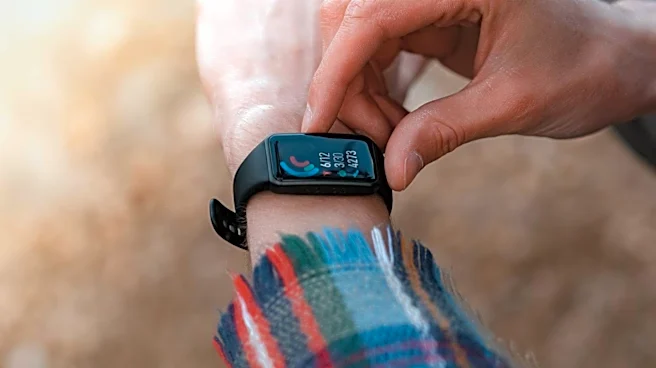
Early smartwatches were primarily notification devices. Modern ones are sophisticated health monitors. This transformation was driven by the relentless miniaturization of sensors. Engineers faced the challenge of packing accelerometers, gyroscopes, optical heart rate sensors, and eventually ECG and blood oxygen monitors into a tiny chassis. Getting them to fit was only half the battle; they also had to be accurate and power-efficient. The process of using multiple sensors to get a more accurate picture of activity, known as sensor fusion, was perfected on the wrist. Algorithms had to be written to distinguish a morning jog from a bumpy bus ride. These advancements in miniaturizing and interpreting sensor data have had a profound impact far beyond watches. The same technologies now power advanced medical wearables that monitor patients remotely, give athletes precise performance data, and are foundational to the development of next-generation augmented reality glasses.