








The Official End of 'Headquarters'
In May 2021, Snowflake announced its San Mateo, California, office was no longer its headquarters. Instead, its "principal executive office" would be in Bozeman. The company's official line was a forward-looking declaration: it no longer had a headquarters at all.
A spokesperson stated, "we do not have a single office that is at the center of Snowflake's operations." This was a symbolic pivot, positioning Snowflake as a globally distributed enterprise where talent and operations weren't tied to a single, expensive geographic location. The move was presented as an embrace of the remote work revolution, a logical step for a company whose entire business is based in the cloud. Why should a cloud company be tethered to the ground?
Following the Leadership
While the philosophical shift was significant, a practical reality drove the choice of Bozeman specifically. Both the CEO at the time, Frank Slootman, and CFO Mike Scarpelli were already based in the Montana mountain town. The U.S. Securities and Exchange Commission requires public companies to designate a principal executive office. With its top two financial and strategic leaders residing in Bozeman, listing it as the executive HQ was a simple, logical move. It wasn't about moving thousands of employees to the Rockies; it was about moving a legal address to where the leadership already lived, formalizing a reality that had been shaped by executive preference.
Winning the Global War for Talent
Perhaps the most critical factor was talent. Decoupling from a physical headquarters unshackled Snowflake from the hyper-competitive, incredibly expensive Silicon Valley talent market. By officially becoming a distributed company, Snowflake could recruit the best engineers, salespeople, and marketers from anywhere in the world, not just from those who could afford to live within commuting distance of San Mateo. This strategy is reflected in its global presence, with over 30 offices and major operational hubs in places like Dublin, Tokyo, and a significant engineering concentration in Seattle. While the Bozeman move made headlines, the company was simultaneously building a massive new campus in Menlo Park, California, and expanding in New York, demonstrating a flexible "hub-and-spoke" approach rather than a full retreat from traditional tech centers.
It’s Not Just About Taxes, But It’s Not Nothing
The narrative of companies fleeing California's high taxes is a popular one, and it's not entirely irrelevant here. For high-earning executives cashing in on a company's massive IPO, the difference between California's income tax and Montana's can be substantial. While the company emphasized its distributed workforce strategy, the financial benefits for top executives were an undeniable, if unstated, perk. However, to view the move as a simple tax dodge is to miss the bigger picture. It was one component of a multifaceted decision where operational flexibility and talent acquisition were the primary drivers, and favorable tax implications for leadership were a convenient side effect.
A Constantly Evolving Footprint
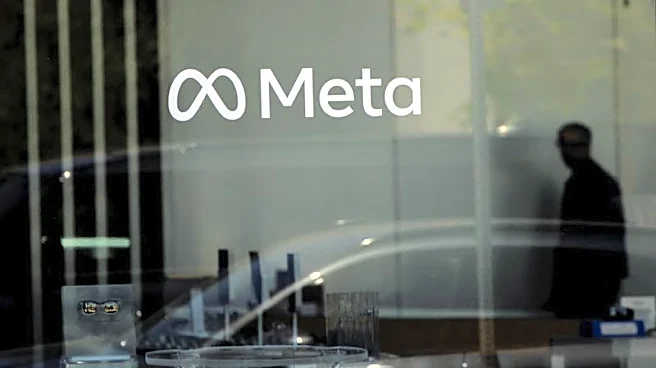
The story of Snowflake's headquarters is not a static one. While the 2021 move to Bozeman was a declaration of being a post-HQ company, the reality on the ground continues to evolve. In early 2024, CEO Frank Slootman retired, passing the torch to Sridhar Ramaswamy. By 2025-2026, the company's growth necessitated a massive new hub, leading it to take over a 773,000-square-foot campus in Menlo Park, California, that Meta had built but never occupied. The company now refers to Menlo Park as its headquarters, acknowledging it as one of its largest global campuses where thousands of employees work on a hybrid schedule. This shows that the "real reason" is a moving target, reflecting a company adapting its physical footprint to match its strategic needs—from decentralization during the pandemic to reconsolidation for growth and AI development.