
From Geek-Wear to Must-Have
For years, smart glasses have been a solution in search of a problem. Early attempts like Google Glass were technically interesting but socially awkward, earning more side-eyes than customers. They were clunky,
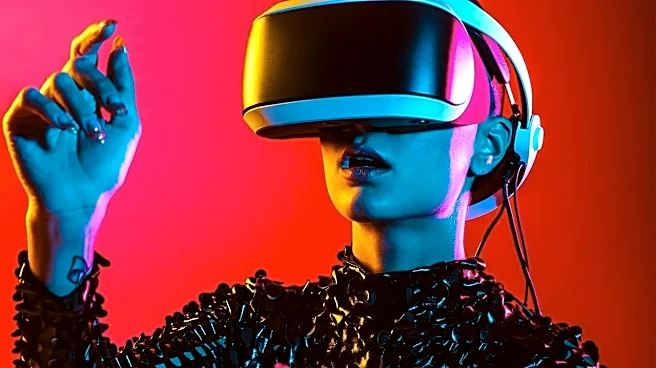
the utility was questionable, and the privacy implications were unnerving. More recent entries, like the popular Ray-Ban Meta series, took a smarter approach by prioritizing style and focusing on a few core features like a camera and open-ear audio. They successfully made computer-infused eyewear look normal. Yet, they still largely function as accessories to your smartphone, not replacements. The 2026 class of smart glasses aims to change that. The industry is moving beyond just putting a camera on your face and into the realm of true augmented reality, where digital information is seamlessly woven into your view of the real world. This isn't just an upgrade; it's a fundamental shift in function.
Your World, Now Searchable
The single biggest catalyst for the coming smart glass boom is the explosion in conversational AI. The next generation of eyewear won't just take pictures; it will see and understand the world with you. Imagine pointing your gaze at a landmark and having your glasses whisper its history in your ear, or looking at a foreign menu and seeing it instantly translated on the page. This is powered by on-device processing and high-speed connectivity that allows for real-time analysis and feedback. Companies like Google are already demonstrating glasses that can remember where you left your keys by processing visual data. This transforms the device from a passive notification screen into an active, contextual assistant that augments your own intelligence. It's the difference between having a map in your pocket and having a personal guide for your life, accessible with just a glance or a word.
The 'iPhone Moment' for Your Face
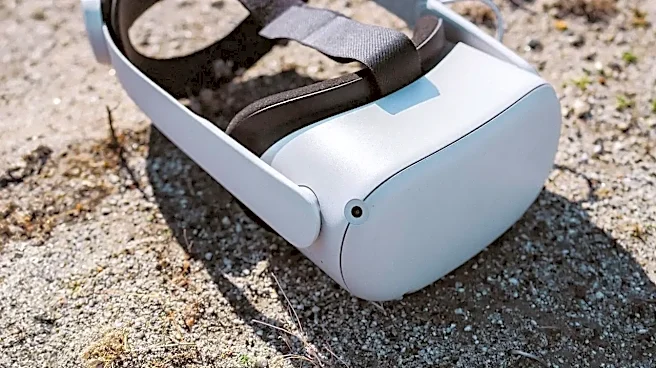
While Meta, Google, and others are making significant strides, all eyes are on Apple. The company’s initial foray, the high-end Vision Pro, demonstrated what was technologically possible but was never intended for the mass market due to its price and bulk. However, persistent reports and analyst predictions point to Apple shifting its focus toward a lighter, more stylish, and more affordable pair of consumer-focused glasses. While a 2026 launch isn't guaranteed, with some analysts pointing to 2027, the prospect alone is enough to energize the market. Apple has a proven history of entering existing product categories and completely redefining them, creating a 'gold standard' that ignites mainstream demand. The belief among many tech enthusiasts is that Apple will solve the critical challenges of battery life, processing power, and user interface in a way that finally makes all-day smart glasses a reality for millions, not just early adopters.
More Than Glasses: A Platform War
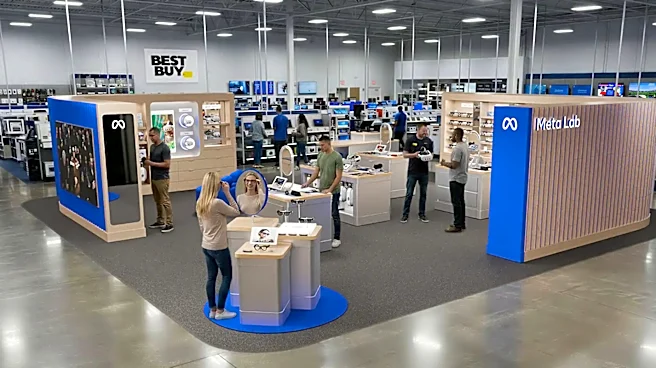
For the tech giants, the stakes are far higher than just selling another gadget. Smart glasses represent the next great computing platform. After the desktop, laptop, and smartphone, the company that wins the race for your face could dominate the way we interact with technology for the next decade. This is a battle for the operating system of your life. Will it be run by Apple's ecosystem, Meta's social-centric universe, or Google's AI-powered knowledge graph? This platform war is driving billions in research and development, forcing companies to innovate at a breakneck pace. The intense competition ensures that the products hitting the market will be more powerful, more polished, and more compelling than ever before. Consumers stand to benefit from this arms race, which is rapidly accelerating the technology from niche to necessary.
Finally, Glasses You'd Actually Wear
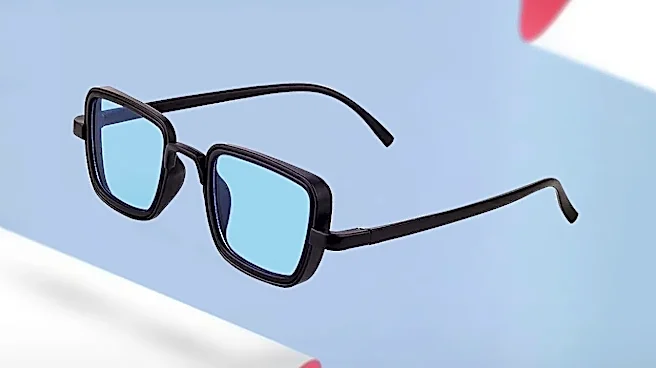
Technology alone isn't enough; style is the final, crucial piece of the puzzle. The failure of past devices taught the industry a valuable lesson: no one wants to look like a cyborg. The 2026 generation of smart glasses is being designed with fashion and social acceptability at the forefront. Collaborations like the one between Meta and Ray-Ban are the model for the future, blending cutting-edge tech into iconic, desirable frames. Advancements in miniaturization mean that powerful processors, better batteries, brighter displays, and sophisticated camera systems can all be packed into a form factor that is nearly indistinguishable from standard prescription glasses or sunglasses. This focus on aesthetics is what will ultimately bridge the gap between tech enthusiasts and the everyday consumer, making smart glasses a status symbol rather than a social faux pas.