







First, What Exactly Is AI Inference?
Before diving into the economics, it’s crucial to understand a key distinction: AI training versus AI inference. Think of it like a world-class chef. Training is the long, expensive process of the chef learning every recipe, technique, and flavor combination.
It’s a massive upfront investment of time and resources. Inference, on the other hand, is when the trained chef actually cooks a meal for a customer. It's the operational part, happening every time the service is requested. In the AI world, training is the process of teaching a model on vast datasets, a computationally massive job that can cost millions. Inference is the process of using that trained model to do something useful, like answer a question, generate an image, or classify data. It’s the 'live' phase, and it happens every time a user interacts with an AI-powered feature.
The Price of a Prediction Is Plummeting
The cost of a single AI inference task has been in a freefall. Thanks to a combination of more efficient software, intense competition between model providers, and new, highly specialized computer chips, the per-unit cost of running an AI query has dropped dramatically. Just as the cost of storing a gigabyte of data or sequencing a human genome collapsed over time, the cost of getting an answer from an AI is on a similar downward trajectory. This is a huge win for businesses. Features that were once prohibitively expensive to run at scale—like real-time language translation or sophisticated customer service chatbots—are now becoming economically viable. When the cost per interaction drops from dollars to pennies, it opens up a world of possibilities and directly boosts the bottom line.
How Cheaper AI Can Boost the Bottom Line
For any business, lower operating costs are a direct path to higher profit margins. In traditional software, the cost to serve one more user is close to zero, which is why software companies have famously high margins. AI changes that equation, as every user action can trigger a real compute cost. But as that per-action cost falls, the dream of high margins returns. An AI product that might have operated on a thin 50-60% gross margin can see that figure improve as its core operational expense—inference—gets cheaper. This makes it much more attractive for companies to integrate AI deeply into their products and services, creating a virtuous cycle where lower costs encourage more implementation, which in turn can lead to better products and happier, more engaged customers.
The Paradox: Why Cheaper Means More
Here's where the paradox kicks in. This phenomenon is a classic case of what economists call the Jevons Paradox. In the 1860s, William Stanley Jevons observed that as steam engines became more efficient, coal consumption didn't decrease—it surged. Why? Because more efficient engines made coal power cheap and useful for a wider range of applications, leading to an explosion in overall use. We are seeing the exact same dynamic with AI. Cheaper inference doesn't just mean we run the same number of AI tasks for less money. It means we invent entirely new, more complex AI applications that were previously unimaginable. Simple chatbots evolve into multi-step AI agents that might make a hundred model calls to complete a single task. The result is that while the cost per inference goes down, the total number of inferences skyrockets, creating a tsunami of demand.
Fueling an Unprecedented Infrastructure Boom
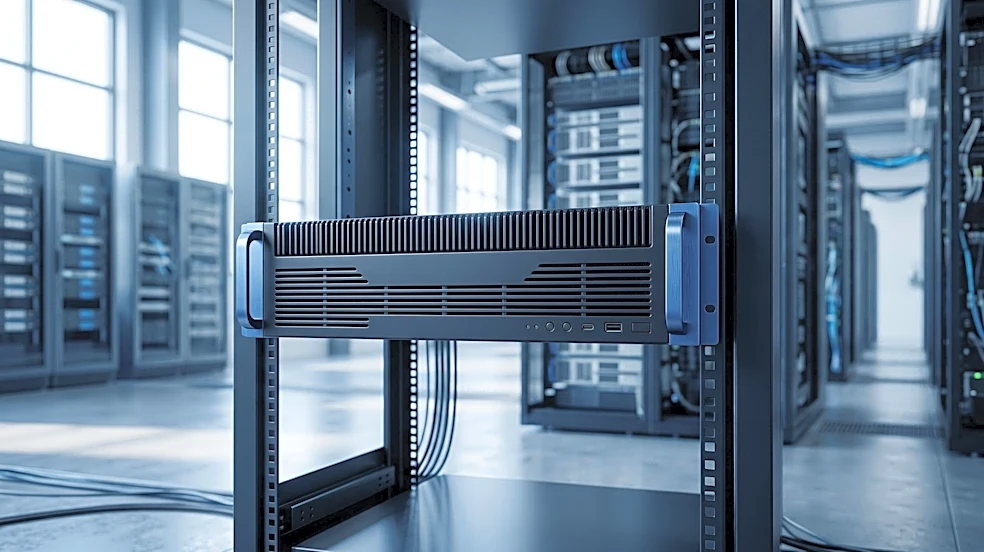
This explosion in demand for AI tasks translates directly into an unprecedented demand for physical infrastructure. More AI applications running across more devices means an insatiable need for the specialized GPUs, advanced data centers, and massive power grids that make it all possible. Spending on AI inference infrastructure is now expected to surpass spending on training infrastructure. Some projections estimate that the AI-driven buildout in the U.S. alone could require over $10 trillion in investment by 2032, a larger share of the economy than the historic railroad or interstate highway expansions. So while the cost of a single AI 'thought' is getting cheaper, our collective desire to use AI for everything is driving a historic construction and manufacturing boom. This is why companies that make the 'picks and shovels' of the AI gold rush, like chipmakers and data center operators, are seeing their valuations soar even as the cost of using their products on a per-unit basis falls.