





1. Honestly Assess Your Current Phone
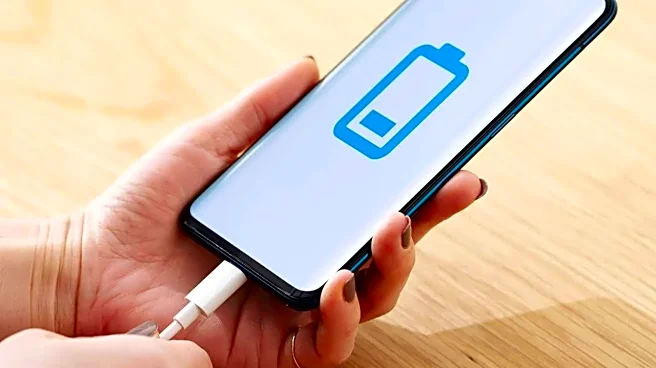
Before considering a new device, take a hard look at your current one. How is the battery life? If you’re constantly searching for a charger by midday, that’s a significant point for the upgrade column. Does the phone feel slow or lag when you open apps
or switch between tasks? While you can clear caches and delete old files, a consistently sluggish phone is a sign its hardware is struggling to keep up. Also, consider the physical condition. A cracked screen or a failing charging port might be repairable, but the cost could be better put toward a new device. Finally, check your software updates. If your phone is no longer eligible for the latest security patches and Android OS updates, it’s not just missing new features—it’s a security risk. Google now promises seven years of updates for its newer phones, a major factor in long-term value.
2. Is the New Camera a 'Must-Have' or a 'Nice-to-Have'?
Google built its reputation on computational photography, and the camera is always a centerpiece of any Pixel launch. The Pixel line has a history of leveraging software and custom chips like the Pixel Visual Core and later the Tensor series to produce stunning images. Rumors around the Pixel 11 suggest features like "Magic Capture," which may analyze hundreds of frames to select the perfect shot, and further improvements in low-light and zoom capabilities, potentially powered by a new Tensor G6 chip. Look at your current phone's photos. Are you happy with them? For casual photographers, the camera on a Pixel 8 or 9 might still be more than enough. But if you are a content creator, a parent who wants to capture every moment perfectly, or a tech enthusiast who craves the latest in imaging, the Pixel 11’s rumored advancements, like an upgraded ISP for faster Night Sight, could be a compelling reason to switch.
3. Evaluate the AI and Performance Leap
Google’s strategy with its custom Tensor chips has been to prioritize AI and machine learning over raw processing power that rivals chips from Qualcomm or Apple. The upcoming Tensor G6 is expected to continue this trend, offering significant boosts for on-device AI tasks powered by Gemini Nano, which translates to smarter, faster features like Live Translate and Call Screen. While benchmark tests might show the Pixel 11 lags behind some competitors in pure gaming performance, Google bets that real-world smarts are more valuable. Ask yourself how much you use these AI features. Do you rely on Magic Eraser? Do you want a more responsive Google Assistant? If the unique AI-driven software is what you love about Pixel, then the G6's promised efficiency and power gains for these specific tasks are a major selling point.
4. Consider the Design, Display, and Daily Use
A phone is something you hold and look at hundreds of time a day. Small changes in design and display can have a big impact on your experience. The Pixel 11 is rumored to refine its design, perhaps with a new glass camera bar and updated display technology. Will it have a brighter screen that's easier to see outdoors? Will it feature a higher refresh rate for smoother scrolling? These are quality-of-life improvements that don't always show up on a spec sheet but matter in daily use. Also, consider battery. Even with similar capacity, a new chip like the Tensor G6, built on a more efficient process, could deliver noticeably better battery life. If your current device struggles to get through the day, the promise of a more efficient processor and a fresh battery is a powerful motivator.
5. Do the Math: Budget and Trade-In Value
Ultimately, the decision to upgrade often comes down to cost. Flagship phones are a significant investment, with new models often starting around $899 or more for base storage. Before the Pixel 11 is even announced, you can get a head start by checking the trade-in value of your current device. Google, carriers, and third-party retailers often offer promotions around a new phone launch. A high trade-in value can drastically reduce the effective cost of upgrading. Set a budget for yourself. Is the total cost after trade-in, spread over a payment plan, something you're comfortable with? Sometimes, holding onto your current phone for another year, when its trade-in value will still be substantial against a future Pixel 12, is the most financially prudent move.