







A Deal of Historic Proportions
When Microsoft announced its plan to acquire Activision Blizzard in January 2022, the price tag alone was staggering: an all-cash deal valued at $68.7 billion. To put that in perspective, it's more than the company paid for LinkedIn, GitHub, and ZeniMax
(the parent of game studio Bethesda) combined. After navigating a nearly two-year gauntlet of regulatory approvals across the globe, the deal officially closed in October 2023, making Microsoft the world's third-largest gaming company by revenue, trailing only Tencent and Sony. The acquisition wasn't just a big move; it was a fundamental statement about where a titan of technology sees the future of entertainment heading.
The Three Pillars of the Purchase
So what did that mountain of cash actually buy? The assets fall into three main categories. First, there's the stable of legendary PC and console franchises. This includes the military shooter phenomenon 'Call of Duty', a franchise that generates billions annually, and Blizzard Entertainment's iconic fantasy worlds of 'Warcraft' and 'Diablo'. These are not just games; they are massive cultural footprints with deeply embedded fan bases. The second pillar is mobile gaming. Through Activision's 2015 purchase of King, Microsoft instantly became a dominant force in the mobile market—the largest and fastest-growing segment of gaming—by acquiring 'Candy Crush Saga', one of the most popular mobile games ever made. Before the deal, Microsoft had virtually no presence in mobile gaming; overnight, it gained access to hundreds of millions of players.
The 'Netflix for Gaming' Strategy
The third, and perhaps most critical, piece of the puzzle is how these assets supercharge Microsoft's long-term strategy: Xbox Game Pass. Microsoft's subscription service, often called the 'Netflix for gaming', gives players access to a vast library of games for a monthly fee. By acquiring Activision Blizzard, Microsoft can add dozens of iconic titles—from 'Overwatch' to 'Spyro the Dragon' to 'Tony Hawk's Pro Skater'—to the Game Pass library, making the subscription exponentially more valuable. This move is designed to attract millions of new subscribers and lock them into the Xbox ecosystem. It's a long-term play that shifts the business model from selling individual games for $70 a piece to securing a steady, recurring revenue stream from a massive subscriber base.
Beyond Games: Building for the Metaverse
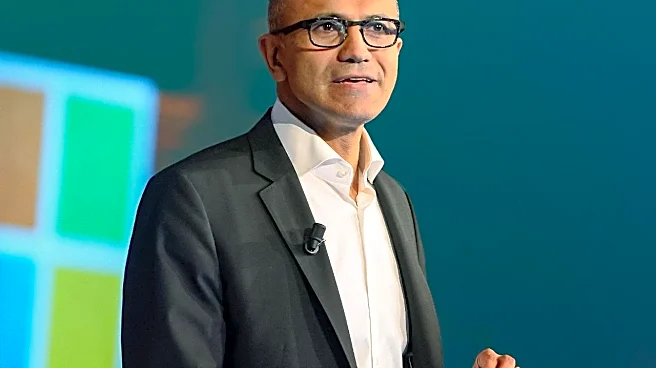
Microsoft CEO Satya Nadella also framed the acquisition as securing 'building blocks for the metaverse'. While the concept remains somewhat abstract, the idea is to create persistent, interconnected virtual worlds for work and play. With franchises like 'World of Warcraft' and 'Call of Duty', Microsoft now owns some of the most successful and long-running virtual communities on the planet. These established universes and their dedicated player bases provide a ready-made foundation for whatever the next evolution of online interaction looks like. The purchase wasn't just about the games of today, but about owning the virtual real estate and communities that could become central to the entertainment of tomorrow.