
Buy or Bury the Competition
The foundation of Meta's untouchable status was built on a simple but ruthless strategy: if you can't beat a competitor, buy them. The acquisitions of Instagram for $1 billion in 2012 and WhatsApp for a staggering
$19 billion in 2014 were not just business deals; they were preemptive strikes. At the time, regulators waved the deals through, viewing the apps as a photo-sharing novelty and a messaging service, not as nascent social networking giants. But internally, Facebook saw them as existential threats. By purchasing them, Facebook didn't just gain their technology and users; it eliminated the most promising challengers to its throne before they could mature, a strategy the Federal Trade Commission (FTC) would later label "buy-or-bury." These acquisitions created a powerful fortress, a family of apps that captured the market from multiple angles, making it nearly impossible for new social networks to gain a foothold.
Turning Scandals into Fines
From privacy breaches to election interference, Facebook has weathered a constant storm of scandals. The most infamous, the Cambridge Analytica affair, revealed that the data of millions of users had been improperly harvested for political targeting. The public outcry was immense, and regulators stepped in. Yet the consequence was not a fundamental change to its business model, but a record-breaking, yet manageable, $5 billion fine from the FTC in 2019. This set a crucial precedent: for a company generating tens of billions in profit, even historic fines were merely a cost of doing business. The cycle has repeated itself with other settlements; the financial penalties, though large, have not forced a change in the core practices of data collection and targeted advertising that make the company so powerful and profitable.
The Washington Offensive
As scrutiny grew, Facebook didn't just apologize; it opened its wallet in Washington D.C. The company's spending on federal lobbying exploded, transforming it from a Silicon Valley outsider to a Beltway power player. In 2009, Facebook spent a mere $200,000 on lobbying. In the years following the Cambridge Analytica scandal, that spending skyrocketed, reaching nearly $20 million by 2020, more than any other single tech company. This deluge of cash was aimed at influencing legislation on everything from privacy to antitrust, ensuring that any new rules would be favorable, or at least not fatal, to its business. By becoming one of D.C.'s biggest spenders, Facebook has been able to shape the debate and fend off the most serious regulatory threats, building a political shield to complement its market dominance.
Winning the War in Court
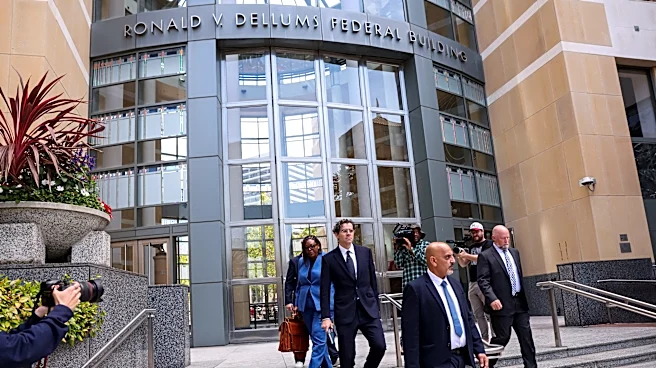
The ultimate challenge to Facebook's power came in the form of a landmark antitrust lawsuit filed by the FTC and 46 states in 2020, aiming to break up the company by forcing the sale of Instagram and WhatsApp. For years, the case represented the most significant threat to Meta's empire. The government argued that the company had illegally crushed competition. However, in a major victory for Meta in late 2025, a federal judge ruled that the FTC had failed to prove its case. The court found that the social media landscape had changed so much with the rise of competitors like TikTok that Meta no longer held the same monopoly power it might have a decade ago. While the FTC announced it would appeal, the ruling was a powerful validation of Meta's position, demonstrating the immense difficulty of unwinding strategic decisions made years earlier in a fast-changing market.