
The Numbers on the Surface
On paper, Tesla's second-quarter 2026 performance had some bright spots. The company announced it delivered a record 480,126 vehicles, a figure that beat most analyst expectations and represented a significant
jump from the previous quarter. This surge in deliveries suggests that demand for its core products, primarily the Model 3 and Model Y, remains robust despite a more competitive electric vehicle landscape. Revenue figures also pointed to growth. However, as any seasoned observer knows, with Tesla, the headline numbers rarely tell the full story. The market has stopped rewarding the company for volume alone, shifting its focus to a more critical question: are these record sales actually profitable?
The Robotaxi Dream and its Towering Price Tag
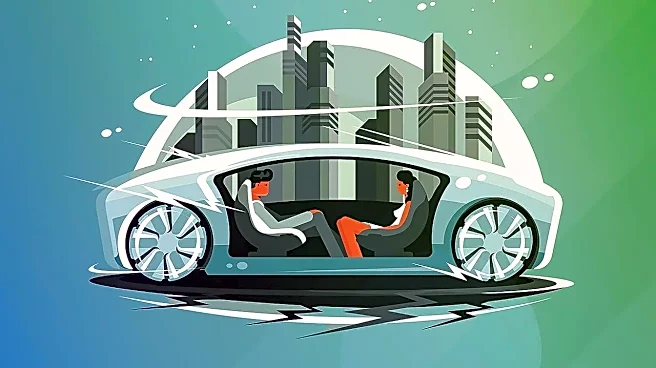
The real story of Tesla in 2026 isn't about the cars it sold yesterday; it's about the autonomous fleet it promises for tomorrow. CEO Elon Musk has effectively reframed Tesla as an AI and robotics company that happens to sell cars. This pivot comes with a staggering bill. The company is in the midst of its most aggressive investment cycle ever, with capital expenditures projected to hit roughly $25 billion for the year. This massive outlay is being funneled into building out the infrastructure for a future of autonomy—enormous AI data centers, the Dojo supercomputer, and the manufacturing lines for the purpose-built "Cybercab" robotaxi. This level of spending is a conscious choice to prioritize a long-term, winner-take-all vision over immediate financial returns, a strategy not seen since the capital-intensive ramp-up of the Model 3.
Where the Cost Pressure Hits Home
This aggressive spending creates a direct and painful squeeze on the company's financials. The most watched metric in Tesla's earnings is now automotive gross margin, which reveals the profitability of its core business of building and selling cars. While Tesla delivered a record number of vehicles, analysts feared that these sales were bought with price cuts and incentives that ate into profits. The billions being poured into R&D and capital projects for autonomy don't immediately generate revenue, but they do weigh heavily on the balance sheet. This has led to forecasts of negative free cash flow for the first time in years, meaning the company is spending more cash than it's generating. It's a classic case of sacrificing today's bottom line for a potential jackpot tomorrow.
The Ultimate Gamble: AI Company or Car Company?
Ultimately, the paradox in Tesla's earnings report is the story of a company mid-transformation. Is it a car company dealing with increased competition and margin compression? Or is it an AI company on the verge of unlocking a trillion-dollar autonomous ride-hailing market? The answer depends on your time horizon. The bear case is that Tesla is neglecting its profitable car business—facing challenges from competitors like BYD—while burning through cash on a sci-fi dream that has been promised for years. The bull case, which is the one Musk is passionately selling, is that the current financial pain is the necessary price of admission to dominate the next era of transportation and artificial intelligence. Investors are being asked to stomach near-term losses and slowing growth in the car division in exchange for a stake in a future that is either revolutionary or a mirage.