











1. It’s Not Actually Silent
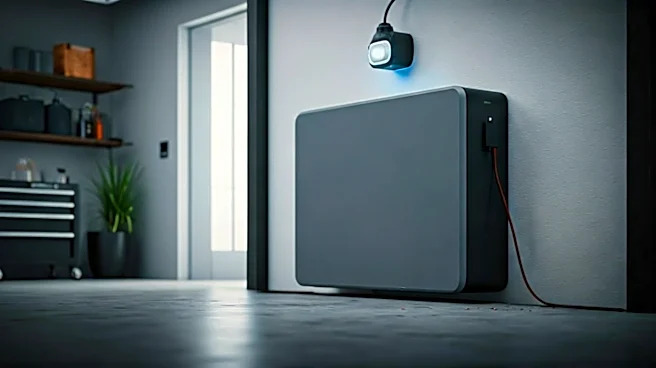
The marketing photos show a silent, monolithic slab of technology mounted gracefully on a garage wall. What they don’t include is a soundtrack. Home batteries like the Tesla Powerwall contain sophisticated electronics and liquid cooling systems to manage
heat. This means they produce a low, but noticeable, hum. During heavy charging or discharging, especially on a hot day, the fans and pumps will kick in, creating a whirring sound. For most people with the unit in a garage, it’s no big deal. But for those who install it on an exterior wall near a bedroom or patio, this ambient noise can be an unwelcome surprise.
2. You Might Get a New Hobby: Energy-Watching
Most owners expect to “set it and forget it.” But the apps that come with these systems are surprisingly addictive. They provide a real-time, beautifully visualized flow chart of your home’s energy life: power coming in from your solar panels, electricity being drawn from the grid, energy flowing into or out of your battery, and exactly what your home is consuming at that moment. Many new users find themselves compulsively checking the app, fascinated by the data. They start running the dishwasher only when the sun is high or turning off devices to see the consumption graph drop. It turns energy use from an abstract bill into a tangible, live-action game.
3. Blackouts Aren’t Always Seamless
The promise of uninterrupted power is a primary selling point. While home batteries are fantastic during an outage, the switchover isn't always magical. When the grid goes down, the system has to detect the outage and disconnect from the grid before it starts powering your home. This process, while fast—often a fraction of a second—can be just long enough for sensitive electronics to reboot. Your lights might flicker, your Wi-Fi router might restart, and you may have to reset your digital clocks. It’s a massive improvement over sitting in the dark, but it’s more of a brief, jarring blink than an entirely imperceptible transition.
4. Not Everything Is Backed Up
This is perhaps the biggest shock for first-time owners. Most assume the battery will power their entire house just like the grid does. In reality, a standard installation only covers “critical loads.” Before installation, you work with the electrician to choose which circuits will be backed up. This typically includes essentials like the refrigerator, some lights, outlets for charging phones, and maybe a medical device. It usually does *not* include high-draw appliances like your central air conditioner, electric oven, or EV charger. Backing up an entire home is possible, but it requires multiple batteries and a much more expensive and complex installation, a detail often glossed over in initial sales pitches.
5. Selling Power Back Is Complicated
A new, exciting feature is the ability to enroll in “Virtual Power Plant” (VPP) programs, where the utility company can pay you to draw power from your battery during peak demand. The marketing makes it sound like a passive income stream. The reality is more nuanced. Enrollment can be complex, and the payments are often modest—sometimes just a few dollars a month or a small annual credit. Furthermore, allowing the utility to control your battery means you might have less stored power available for a personal emergency if a blackout occurs right after a VPP event. It’s a cool concept, but it’s not a get-rich-quick scheme.