






First, What Is the 'App Layer'?
For decades, we’ve understood operating systems (like macOS and iOS) as a foundation—a stable floor on which developers build applications. This created a clear separation: Apple provides the stage, and third-party developers provide the show. This 'app
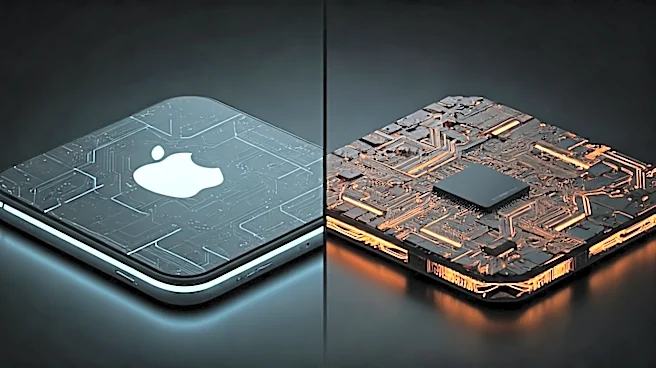
layer' was where innovation from companies like Slack, Notion, and Zoom happened. But that model is blurring. Platforms like Apple are no longer content to just be the stage. They are building their own furniture, props, and even writing parts of the script. The 'app layer' is becoming part of the OS itself. Instead of just providing tools like file access and notifications, the OS is starting to perform tasks that once required a dedicated app. Think of how Apple Notes has evolved from a simple text file to a collaborative tool that can scan documents and link notes, encroaching on features from Evernote and other productivity apps.
The Ghost of 'Sherlocking' Past
For SaaS founders, this trend should trigger a sense of déjà vu. In the Apple developer community, there’s a term for this: 'getting sherlocked.' It’s named after Sherlock, a Mac search tool from the early 2000s. A third-party developer, Karelia, had created a popular search app called Watson that did Sherlock's job better. Then, Apple updated Sherlock with all of Watson’s key features, effectively killing its market overnight. This pattern has repeated for years. From widgets and password managers to screen time monitors and universal control, Apple has a long history of observing what’s popular in its App Store, then absorbing that functionality into the core OS. It's not malicious; it's a logical way to improve the platform for users. But for the developers who pioneered those features, it's an existential threat. What was once a feature that could support a whole business becomes a mere bullet point on an Apple marketing page.
AI Is the New Accelerator
If past sherlocking was a slow-moving storm, the rise of on-device AI is a hurricane. Apple's recent push into 'Apple Intelligence' signals the biggest change yet. An AI-infused OS doesn't just offer features; it offers proactive, context-aware assistance. An OS that understands your emails, calendar, and messages can start to automate workflows that previously required a specialized SaaS tool. Why would you need a separate meeting scheduler app if Siri can parse an email chain and propose times that work for everyone? Why would you use a third-party project management tool if the OS can automatically organize files, reminders, and communications related to 'Project Phoenix'? The AI becomes the ultimate integration layer, pulling data from across the system to perform complex tasks, making many single-purpose SaaS tools feel redundant.
The SaaS 'Kill Zone'
By 2026, this trend could put several SaaS categories squarely in Apple’s crosshairs. Any tool that serves as a 'thin layer' on top of user data is vulnerable. This includes: * **Productivity and Note-Taking:** Apps like Notion, Evernote, and Roam Research are at risk as Apple continues to build out Notes and Freeform into powerful, collaborative hubs. * **Utilities and Automation:** Tools that connect other apps or automate simple workflows (think Zapier or IFTTT on a personal level) could be replaced by a more intelligent, system-level Siri. * **Personal CRM and Contact Management:** Why use a separate app to manage your personal network when the OS can analyze your communications and remind you to follow up with key contacts? * **File and Knowledge Management:** AI-powered search and summarization built into the OS could render many knowledge base and file organization tools obsolete for individual users and small teams.