








The Keynote as a Trojan Horse
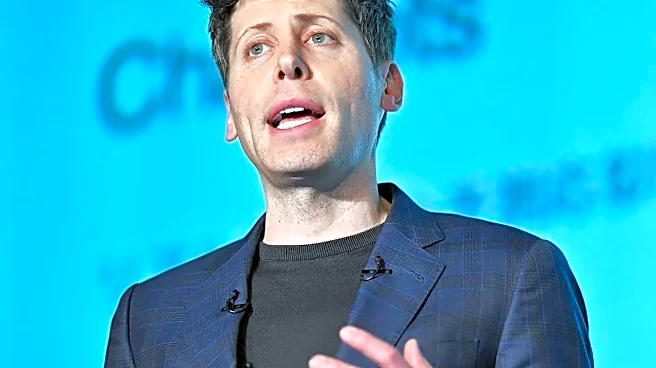
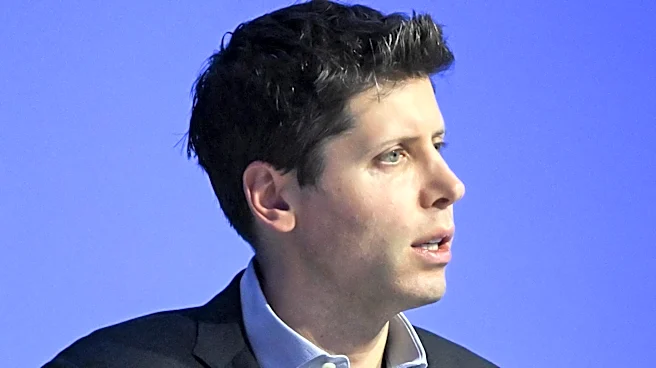
The structure of an OpenAI keynote is a deliberate choice. Altman's presentation style—often a simple, direct address to a crowd of developers—is designed to make revolutionary announcements feel both inevitable and accessible. By avoiding the slick,
high-gloss production of other tech giants, he frames OpenAI not as a corporate behemoth, but as a partner for builders. This casual stagecraft is a Trojan Horse. Inside it are aggressive, market-shaping ambitions. The goal is to deliver game-changing news in a package that feels less like a threat and more like an opportunity, disarming competitors and charming the developers who will build OpenAI's future.
From Model Upgrades to Marketplace Domination
A key part of the strategy is shifting the conversation from pure model performance to ecosystem control. While announcements of more powerful and cheaper models like GPT-4 Turbo or GPT-6.1 Sol grab headlines, the real strategic play is in the tools that lock developers in. The introduction of custom GPTs and the GPT Store, for example, wasn't just about a new feature; it was a clear signal of a move to become a platform, much like Apple's App Store. By encouraging developers to build and share their creations, OpenAI isn't just fostering innovation—it's building a moat. Competitors can build powerful models, but competing with a thriving marketplace of thousands of specialized AI agents is a much harder challenge.
The API as an Indispensable Partner
Perhaps the most crucial element of this disguised strategy is the Assistants API. By providing developers with a powerful and easy-to-use tool to build agent-like experiences into their own applications, OpenAI is weaving itself into the very fabric of the next generation of software. The API makes it incredibly simple to add sophisticated, stateful AI to any product, effectively outsourcing the hardest parts of AI development to OpenAI. This creates immense 'stickiness'. Once a developer builds their product on top of the Assistants API, the cost and complexity of switching to a competitor become prohibitively high. It positions OpenAI not merely as a service provider, but as a foundational utility for the entire industry.
Price Cuts as a Competitive Weapon
During these keynotes, OpenAI often announces dramatic price drops for its models and APIs. On the surface, this is framed as a move to make powerful AI more accessible to everyone. While that's a welcome side effect, it's also a ruthless competitive tactic. By aggressively lowering the cost to use its state-of-the-art models, OpenAI puts immense pressure on smaller competitors and open-source alternatives. Startups and individual developers, who are highly sensitive to cost, are naturally drawn to the provider that offers the best performance for the lowest price. This strategy starves competitors of the revenue and user base they need to grow, consolidating OpenAI's position as the default choice for anyone building with AI.