










In the chaotic world of cryptocurrency, stablecoins promise an island of calm: a digital dollar that holds its value. But for years, critics have warned of hidden dangers. It turns out, they were right about one thing in particular.
The Promise of a Digital Dollar
First, let's level-set.
A fiat-backed stablecoin, like Circle's USDC or Tether's USDT, is a type of cryptocurrency designed to maintain a 1:1 value with a real-world currency, usually the U.S. dollar. For every digital coin in circulation, the issuer claims to hold one dollar's worth of real assets in a reserve. This makes them incredibly useful. They act as a stable bridge between the traditional financial system and the volatile crypto markets, allowing traders to move in and out of positions without cashing out to a slow, old-school bank account. For businesses, they offer the potential for internet-speed global payments without the risk of an asset's price changing mid-transaction. The idea is simple and powerful: the speed of crypto with the stability of the dollar.
The Achilles' Heel: What's Really in the Reserves?
For years, critics have levied numerous charges against stablecoins, from their role in illicit finance to their centralizing effect on a supposedly decentralized world. But the most potent and prescient critique—the 'one thing' they got dead right—has always been about the reserves. The promise of a 1:1 backing sounds straightforward, but the reality is far more complex. Critics correctly pointed out that the marketing slogan 'backed by dollars' often didn't mean actual dollars sitting in a simple bank account. Instead, many issuers held a mix of assets, including 'cash equivalents' like commercial paper, corporate bonds, and other less-liquid securities. This introduces risk. Commercial paper from a struggling company isn't the same as a U.S. Treasury bill. The lack of transparency and the variable quality of these reserve assets was a ticking time bomb that critics warned about long before it became a mainstream concern.
When the Peg Breaks: From Theory to Reality
The danger is no longer theoretical. The market has seen several 'de-pegging' events, where a stablecoin's value falls below its $1 target. In March 2023, USDC, one of the most trusted stablecoins, briefly broke its peg and fell to $0.87. The cause? Its issuer, Circle, revealed that $3.3 billion of its cash reserves were held at the collapsed Silicon Valley Bank, making them temporarily inaccessible. This incident was a perfect illustration of the critics' core argument: the stability of a stablecoin is only as strong as the assets backing it and the institutions holding them. Even though USDC recovered, the event sent a shockwave through the system, proving that a 'bank run' on a stablecoin was a real and present danger. If enough users try to redeem their tokens for dollars at once and the issuer can't liquidate its reserves fast enough, the whole system can collapse.
A New Era of Regulation
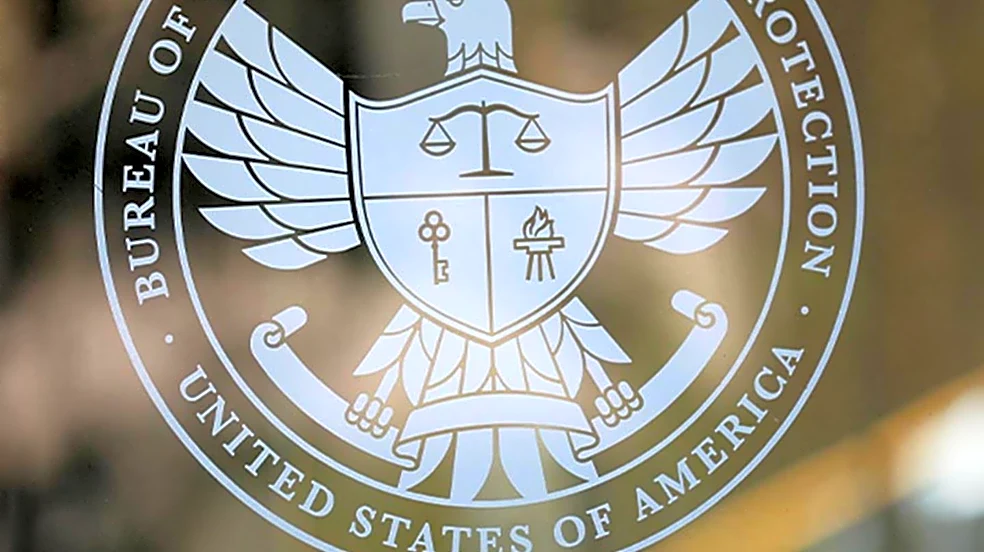
The critics have, in a sense, won the argument. Their sustained pressure regarding reserve quality and transparency has directly led to a wave of regulatory action in the United States and abroad. The GENIUS Act, enacted in 2025, establishes a federal framework for stablecoin issuers, focusing heavily on the composition and auditing of reserves. Now, issuers are being pushed toward holding only the highest-quality, most liquid assets, such as short-term U.S. Treasury bills and cash in regulated bank accounts. Companies like Circle and Paxos now provide regular, detailed attestations about the makeup of their reserves, a direct response to market demand for a level of transparency that simply didn't exist a few years ago. The freewheeling days of opaque, creatively defined reserves are over, and the industry is being forced to mature.