







The Core Question: Build, Buy, or Both?
This year's GITEX, a sprawling showcase of global tech ambition, is dominated by one conversation: how enterprises should adopt generative AI. The debate often boils down to a seemingly simple choice: build your own foundational models or buy into a platform.
For years, the 'build vs. buy' question was a classic IT dilemma, but AI has raised the stakes. Building promises ultimate control and a unique competitive advantage. Buying, or partnering, offers speed, lower upfront costs, and access to state-of-the-art technology without a massive internal research division. Recent data suggests a major market shift, with a significant majority of enterprises now favoring buying over building, often after learning hard lessons about the true cost and complexity of developing proprietary AI from the ground up. This trend reflects a growing realization that for most companies, the AI model itself is not the differentiator; how you use it is.
Microsoft's Answer: A Pragmatic Partnership
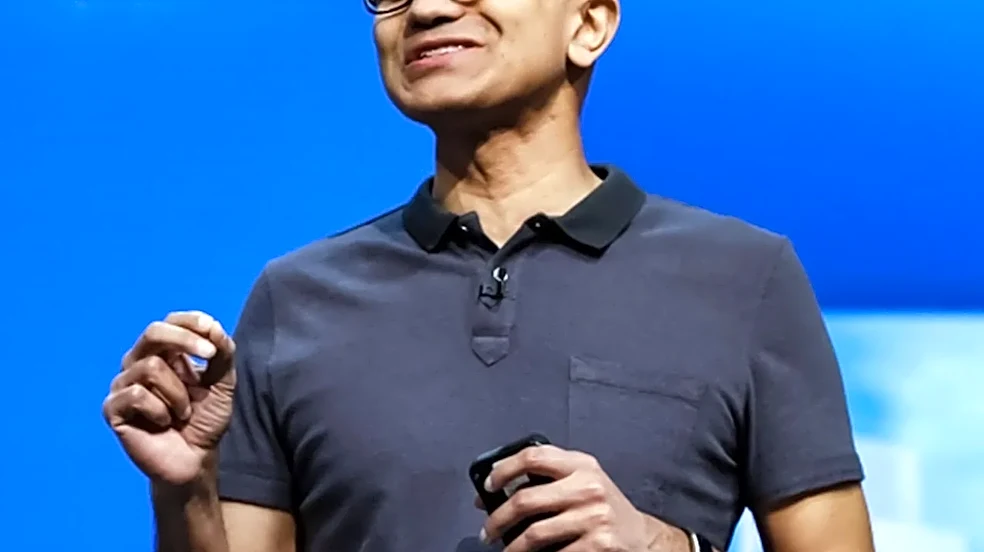
This is where Satya Nadella's strategy for Microsoft offers a compelling case study. Instead of trying to win a head-to-head race to build the world's most powerful large language model (LLM), Microsoft made a massive, early bet on a partner: OpenAI. This move allowed the company to integrate cutting-edge AI into its existing enterprise ecosystem almost immediately. The strategy is clear: don't just provide the raw AI, but deeply embed it into the tools businesses already use every day. Nadella’s vision is not for every company to become an AI research lab. Instead, he argues that the real value comes from creating a 'learning machine' for your own enterprise, using powerful external models as an input while retaining control over your proprietary data. This approach sidesteps the riskiest parts of AI development and focuses on the application layer, which is where most businesses actually create value.
The 'Copilot' Everywhere Model
The most tangible expression of this strategy is the 'Copilot' brand. Microsoft has systematically embedded this AI assistant across its entire product suite: Windows, Office 365, Teams, and even its developer tools on GitHub. For an enterprise already invested in the Microsoft ecosystem, this makes AI adoption an incremental step rather than a monumental leap. The business version, Microsoft 365 Copilot, is designed to be grounded in a company's own internal data—its emails, chats, documents, and spreadsheets—through a system called Microsoft Graph. This resolves a key pain point of public AI tools: context. A generic chatbot doesn't know the specifics of your upcoming product launch or the terms of a client contract. A Copilot, in theory, does. The goal is to provide intelligent assistance that is immediately relevant, turning hours of work, like summarizing a long meeting or drafting a proposal from notes, into a task that takes minutes.
A Playbook for the Enterprise
By focusing on partnership, integration, and security, Microsoft provides a replicable playbook that resonates with the conversations happening on the floor at GITEX. Nadella has recently doubled down on the idea that frontier AI models cannot be fully trusted and require a 'Zero Trust' security architecture surrounding them to contain risk. This directly addresses the top concern for most CIOs and CEOs evaluating AI: data security and unpredictable behavior. For companies watching the tech giants battle for AI supremacy, Microsoft's approach suggests a third way. It's not about winning the arms race; it's about effectively using the weapons others have built. It shifts the focus from model creation to value creation, prioritizing faster time-to-market and leveraging existing platforms rather than starting from scratch. As enterprises navigate the promises and perils of the AI era, this pragmatic, application-first mindset offers a clear lens through which to view their own strategic choices.