








The $190 Billion Elephant in the Room
On the surface, Alphabet, Google's parent company, looks unstoppable. But the real story isn't just about revenue; it's about spending. The company has guided its capital expenditures—the money spent on physical things like buildings and equipment—to
a jaw-dropping range of $180 billion to $190 billion for 2026. This isn't just an increase; it's a nearly twofold jump from the previous year, a figure so large it required the company to raise external capital for the first time in decades to help fund it. This spending is almost entirely directed at one thing: building an AI empire. While earnings reports talk about profits, the capital expenditure line tells a story of investment, risk, and a company betting its future on a technological arms race.
An Insatiable Appetite for Infrastructure
The bulk of this spending goes toward the physical backbone of artificial intelligence: data centers and specialized computer chips. Training and running advanced AI models like Gemini requires computational power on a scale previously unimaginable. This means constructing new data centers and filling them with tens of thousands of high-performance processors, such as Google’s own Tensor Processing Units (TPUs) and GPUs from partners like Nvidia. The demand is so intense that Google has stated its growth in the cloud division would have been even higher if it had enough capacity to meet customer demand. The company isn’t building infrastructure hoping customers will show up; it's racing to build it for customers who are already waiting, with a Google Cloud backlog that has ballooned to over $460 billion.
The Hidden Costs of Power and People
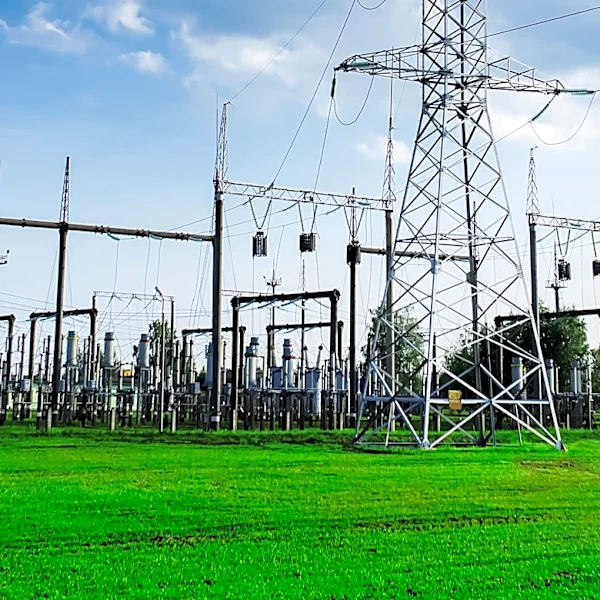
The costs don't stop at hardware. Two other significant, and often less visible, expenses are energy and talent. The massive server farms required for AI are incredibly power-hungry. The electricity needed to train a single large model can be equivalent to the annual consumption of hundreds of homes, creating a substantial and growing energy bill. Then there's the human cost. The battle for AI supremacy has ignited a fierce talent war. Top AI researchers and engineers command salaries that can run into the millions, and Google is competing with Microsoft, Amazon, and well-funded startups to attract and retain the best minds in the field. This 'acquihire' culture, where companies buy startups just for their engineers, and the sky-high compensation packages are a very real, albeit less itemized, cost of AI ambition.
A Gamble on Future Dominance
For Alphabet, spending nearly $190 billion in a single year is a calculated, existential gamble. The company sees the transition to an AI-first world as a platform shift as significant as the move to mobile or the internet itself. Falling behind is not an option. The investment is a defensive measure to protect its cash-cow search business from AI-powered disruption and an offensive move to capture the next generation of computing through Google Cloud. Investors are watching closely, weighing the enormous cost against the potential for future growth. The question isn't whether AI is expensive, but whether these massive, upfront investments will generate the returns needed to justify the price tag and secure Google’s place at the top for another decade.