





The Power Grid’s Reality Check
The single biggest bottleneck is no longer the chip, but the plug. AI data centers have an insatiable appetite for energy, with a single AI task consuming up to 1,000 times more electricity than a web search. This is straining local power grids, which
were never designed for such concentrated loads. As a result, 'speed to power'—the ability to secure a high-capacity grid connection—has become the most critical factor for new projects, sidelining even well-funded plans.
The Advanced Packaging Squeeze
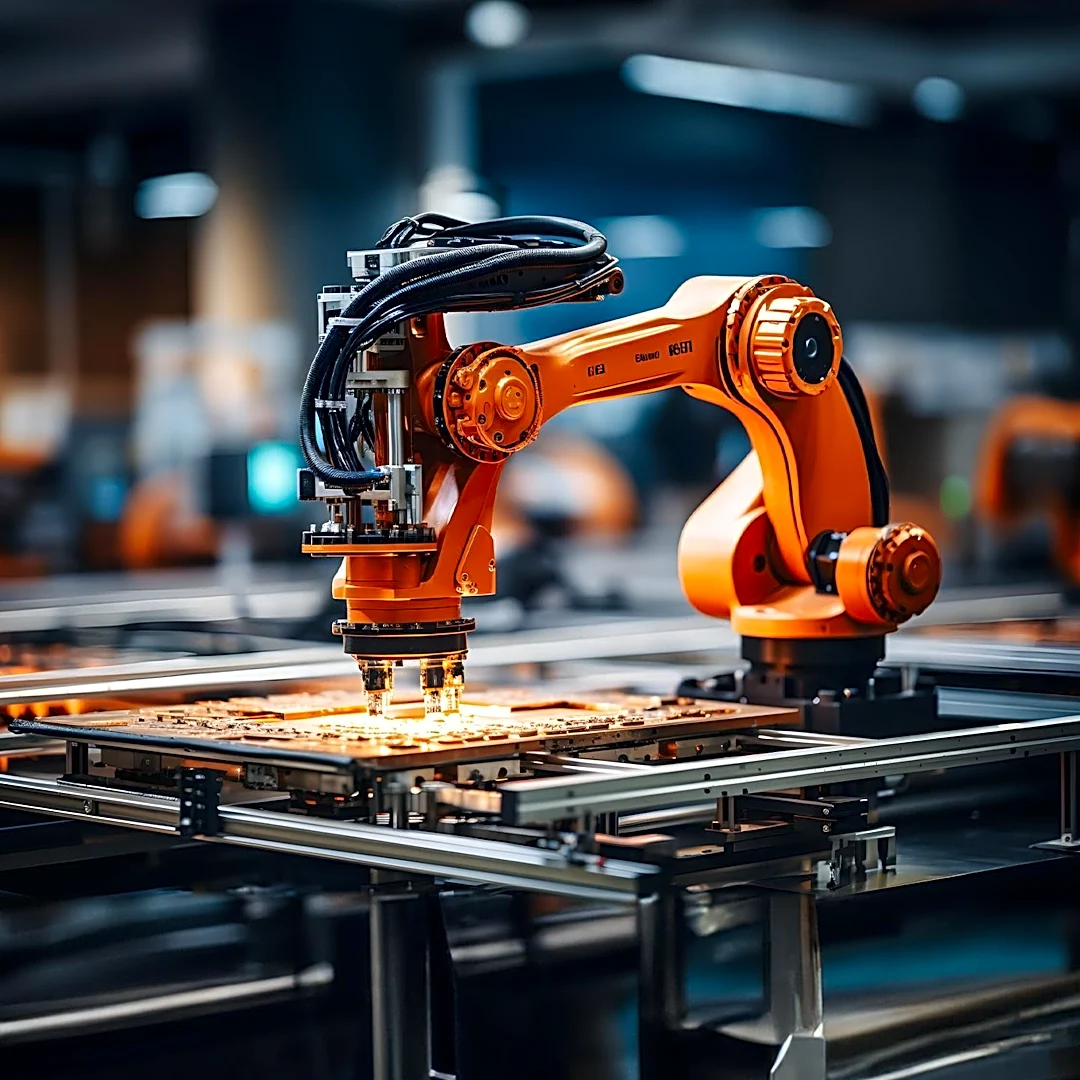
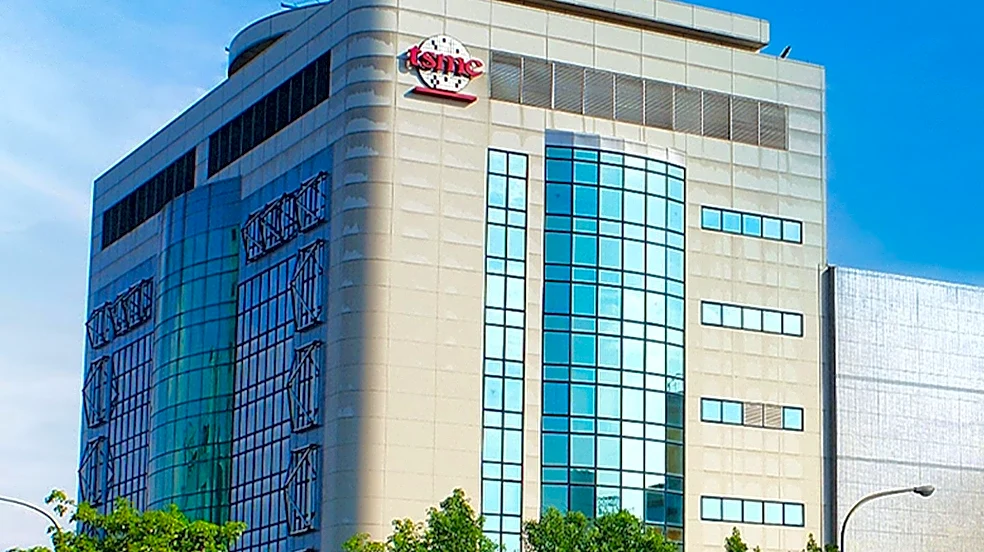
It’s not enough to make chips; you have to package them. Advanced packaging, like TSMC’s 'Chip-on-Wafer-on-Substrate' (CoWoS), is the intricate process of mounting GPUs and their memory together. This is the leading physical constraint on AI accelerator production. Global demand for this service is set to double in the next year, but supply will face a significant shortfall. A single failure at this final stage can destroy thousands of dollars worth of components, making it a high-stakes chokepoint.
The High-Bandwidth Memory Traffic Jam
AI models are data-hungry, and they need ultra-fast memory to feed the processors. High-Bandwidth Memory (HBM) acts like a multi-lane superhighway for data, sitting right next to the GPU. But demand for the latest HBM3E and HBM4 variants has completely overwhelmed production. Major suppliers like SK Hynix and Micron have already sold out their entire 2026 HBM capacity to AI customers, creating a severe shortage that directly caps how many high-end AI accelerators can be built.
More Than Just a GPU Shortage
While Nvidia's top-tier GPUs remain the most sought-after prize, the bottleneck has evolved. An AI accelerator is useless on its own. The real challenge is a 'complete system' shortage. A chip is only valuable once its memory, packaging, networking, power supply, and cooling are all available and integrated at the same time. The delay of any single component can stall a multi-billion dollar deployment, shifting the focus from acquiring GPUs to orchestrating a complex supply chain.
An Unprecedented Cooling Challenge
With great power comes great heat. AI server racks can now draw over 50 or even 100 kilowatts—a massive increase in density that traditional air cooling can no longer handle. This is forcing a rapid and expensive shift to direct liquid cooling systems, which have major implications for data center design, construction, and long-term maintenance. The building itself is no longer a passive warehouse; it is an active part of the computing system.
The Networking Nervous System
An AI cluster is a network of thousands of processors working in concert. The speed at which they communicate is just as important as their individual processing power. The high-speed switches and optical interconnects that form this 'nervous system' are themselves becoming a bottleneck. As clusters grow larger and more powerful, ensuring low-latency and high-bandwidth communication between every node is a monumental engineering and supply chain challenge that can easily cap performance.
The Ripple Effect on Basic Components
The gold rush for high-margin AI components is creating shortages of more mundane, but equally essential, parts. Manufacturers are reallocating production lines to build lucrative HBM and other advanced silicon, causing price spikes and long lead times for things like conventional DRAM and Multilayer Ceramic Capacitors (MLCCs). This impacts not only AI servers but the entire electronics industry, from smartphones to cars.
Community and Regulatory Friction
The 'build it anywhere' era for data centers is over. Communities are pushing back against the massive power and water consumption, noise, and land use. In response, local governments across the U.S. are putting moratoriums on new data center construction to develop regulations. This growing public and regulatory friction is delaying projects and adding a significant layer of uncertainty to deployment timelines, turning zoning board meetings into critical inflection points for the industry.
The Software Coordination Problem
As infrastructure becomes more complex, a new bottleneck is emerging: coordination. Historically, teams managed power, cooling, and servers in separate silos. But the dynamic demands of AI workloads require a holistic software control plane that can orchestrate all these resources in real-time. Without it, operators suffer cascading performance failures and cost overruns as the system fails to optimize itself under pressure.
Physical Supply Chain Security
Even if you can manufacture the hardware, you still have to get it to the data center securely. High-value GPU and server shipments are increasingly targeted by organized crime, subject to state-sponsored espionage, and at risk of diversion to sanctioned nations. On top of that, non-compliance with complex and rapidly changing export control rules can lead to seizures. Securing the physical journey of this hardware from the factory to its final rack is now a major logistical and geopolitical hurdle.