







The Dream of 'One Speaker to Rule Them All'
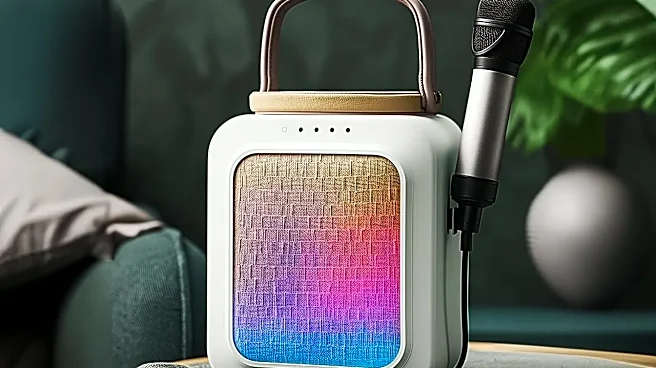
The promise is intoxicating: a single, elegant speaker that you can grab for a beach day, bring to a backyard barbecue, and then place on your bookshelf to fill your home with music. Tech companies and reviewers celebrate this versatility, focusing on metrics
like battery life, water resistance ratings, and how much bass they can pack into a tiny package. We buy into the dream of a minimalist audio setup, where one device seamlessly transitions from rugged companion to sophisticated home stereo. This has led to an explosion of powerful, durable, and genuinely impressive portable speakers. But this focus on portability, while important, has created a massive blind spot, leading many of us to a place of quiet, daily frustration with the very devices that were supposed to make life easier.
The Detail Reviews Miss: It's Not Bluetooth, It's Wi-Fi
Here is the hidden detail: the best portable speaker for the outdoors is often a mediocre speaker for inside your home, and the reason is almost always its lack of Wi-Fi connectivity. Reviews, by necessity, tend to focus on the "portable" use case. They test the Bluetooth range at a park, see how it holds up to splashes, and judge the audio in an open space. What they often fail to properly weigh is how the speaker integrates into a stationary, networked environment—your home. The core of the problem lies in the fundamental difference between Bluetooth and Wi-Fi. Bluetooth is a direct, point-to-point connection, perfect for pairing a single device (your phone) to a speaker. It's simple and doesn't need an internet router, making it ideal for life on the go. Wi-Fi, on the other hand, connects your speaker to your home network, opening up a world of stability and features that Bluetooth can't match indoors.
Why Your Bluetooth-Only Speaker Is Frustrating at Home
If your primary home speaker is Bluetooth-only, you likely recognize these daily annoyances. Every time you want to play music, you have to manually connect your phone, and only that phone. If someone else in the house wants to play a song, it involves a tedious process of disconnecting and reconnecting. Walk too far away with your phone in your pocket, and the music stutters or stops completely. Phone calls and notifications interrupt the music for everyone. Furthermore, true, synchronized multi-room audio is practically impossible with Bluetooth alone. While some brands offer features to link multiple speakers, it's often clunky and not the seamless, whole-home experience offered by Wi-Fi systems. Audio quality can also be a factor; while modern Bluetooth is excellent, Wi-Fi's greater bandwidth can handle higher-resolution, lossless audio streaming for discerning listeners.
The Wi-Fi Advantage: Built for the Modern Home
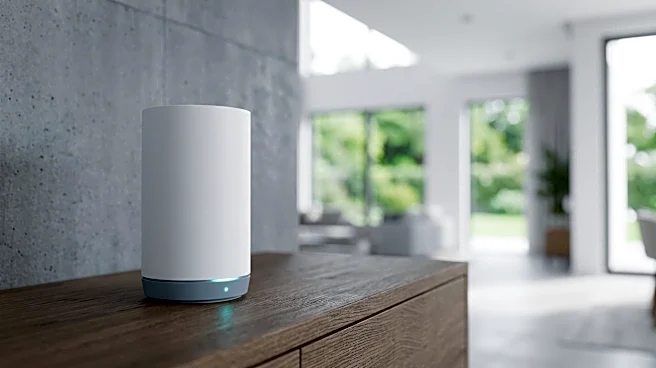
A speaker with Wi-Fi acts less like a phone accessory and more like a true home appliance. It lives on your home network, accessible to anyone connected to it (with permission, of course). You can start a playlist from your phone, and it continues to stream directly from the internet, freeing up your phone to do other things without interrupting the music. You can walk anywhere in your house without the signal dropping. The real magic of Wi-Fi is in creating a cohesive home audio system. Technologies like Apple's AirPlay 2 or Google's Chromecast allow you to group multiple speakers from different brands and play music in perfect sync throughout your house, or have different songs playing in different rooms. This is the seamless, effortless audio experience that Bluetooth-only portables simply cannot deliver.
Your New Strategy: Hybrid or Specialized
So, what's the solution? It's not to throw out your Bluetooth speaker. It's to adjust your strategy. First, consider the hybrid speaker. Brands like Sonos, Bose, and others now offer portable models that include both Wi-Fi and Bluetooth. At home, they connect to your Wi-Fi for a superior, integrated experience. When you pick it up to leave, it automatically switches to Bluetooth mode. This gives you the best of both worlds, though they often come at a premium price. The second strategy is to specialize. Embrace the idea that one speaker can't do everything perfectly. Invest in a dedicated, Wi-Fi-based home speaker (or a pair) for your main listening area. Then, complement it with a more affordable, rugged, and truly portable Bluetooth speaker for outdoor adventures. This approach often provides a better overall experience than trying to force one device into two very different roles.