





So, What Is SFTP Anyway?
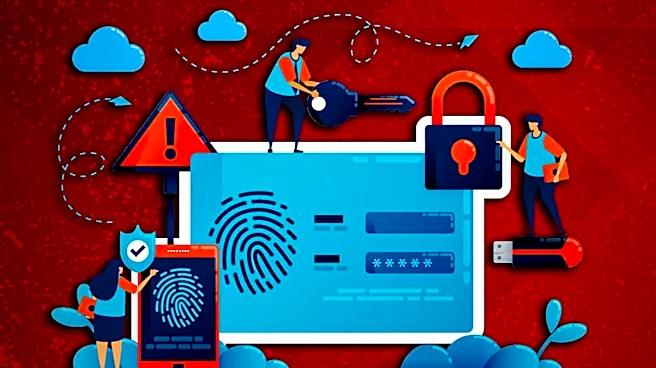
SFTP stands for Secure File Transfer Protocol, but it's often called SSH File Transfer Protocol. Think of it as an armored truck for your data. While its ancestor, FTP, was like sending a postcard—easy to intercept and read—SFTP was designed from the
ground up for security. It runs over an SSH (Secure Shell) connection, the same technology system administrators use to securely log into servers. This means that from the moment you connect, your login credentials, the commands you issue, and the files you transfer are all encrypted and unreadable to anyone snooping on the network.
The Ghost of Transfers Past: Why FTP Wasn't Enough
To understand why SFTP is so important, you have to look at what it replaced. The original File Transfer Protocol (FTP) was invented in the 1970s, a different era of the internet built on trust. It did its job—moving files from one computer to another—but sent everything, including your username and password, in plain text. In today's world, that's a massive security risk. SFTP was created to solve this exact problem. By building on the SSH protocol, it wraps the entire conversation between the client and the server in a layer of strong encryption, making it a reliable choice for any sensitive data transfer.
The Unseen Security Guard
SFTP's power lies in its robust security features that work silently in the background. First, it encrypts everything. Second, it uses a single, predictable connection port (port 22) for all communications, which makes it much easier for network administrators to secure firewalls compared to FTP, which required multiple ports to be opened. Finally, it offers strong authentication methods, including not just passwords but also cryptographic keys, which are far more secure. This combination of encryption, authentication, and data integrity checks ensures that files arrive exactly as they were sent, without tampering.
Where SFTP Is Quietly Running the Show
You might not use SFTP directly, but it powers countless services you interact with. It's the backbone for business-to-business data exchange. Financial institutions use it to securely transfer massive settlement files and transaction data. In healthcare, SFTP is a critical tool for moving sensitive patient records between providers while maintaining HIPAA compliance. Companies of all sizes, including tech giants, use it for everything from sending payroll files to syncing data with partners and backing up critical information to cloud services. It’s also essential for developers managing websites and applications. It thrives in automated, scheduled tasks—the reliable, predictable 'data drops' that keep businesses running.
Built to Last in a World of Trends
In an industry that chases the 'next big thing', why has this decades-old protocol endured? The answer is simple: it just works. SFTP is stable, universally supported across all major operating systems, and incredibly reliable for automated, scripted workflows. While flashy APIs are great for real-time interactions, many business processes rely on exchanging batches of files on a regular schedule. SFTP is perfect for this. It doesn't require complex integration and is a known, trusted quantity for security teams. Its longevity isn't a sign of being outdated; it's a testament to its simple, robust, and secure design.