





The World Before SQLite
Before the year 2000, if an application needed to store data, developers faced a clunky choice. On one end were simple text files, which were fragile and inefficient for complex information. On the other were powerful but heavyweight database systems
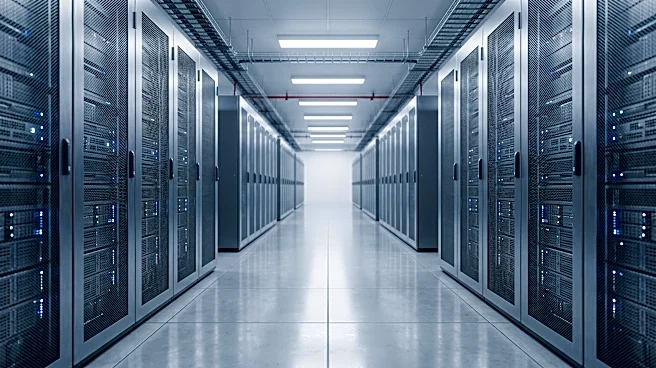
like Oracle, MySQL, or PostgreSQL. These are client-server databases, meaning they run as a separate, continuously operating program that applications connect to over a network. This was perfect for large, enterprise systems but massive overkill for smaller applications. Setting up a database server required installation, configuration, user management, and constant maintenance—a huge headache for, say, a desktop application that just needed to remember user settings or a mobile app storing a contact list.
A Stroke of Genius on a Battleship
The idea for SQLite came from an unlikely place: a U.S. Navy destroyer. In 2000, developer D. Richard Hipp was working on software for the ship that required a reliable database that wouldn't fail during combat. The ship's existing database system was prone to outages that could cripple dependent applications. Frustrated with this fragility, Hipp envisioned a new kind of database: one that didn't need a server at all. It would be self-contained, transactional, and require zero configuration. Instead of a complex server process, the entire database engine would be a simple library that an application could use to read and write to a single file on disk. This serverless approach was the core innovation that set SQLite apart.
The Magic of 'Zero-Conf'
SQLite’s design was a game-changer for developers. The “zero-configuration” aspect meant there was nothing to install or administer. If your app could write a file, it could use SQLite. The entire database—all tables, indexes, and data—lives in one cross-platform file you can copy, email, or move around. This radically simplified deployment. Furthermore, it was fully transactional, ensuring data integrity even if the power went out or the application crashed mid-operation. This combination of simplicity and reliability was revolutionary. Developers could now have the power of a full-featured SQL database without the operational burden of a server, allowing them to build more robust applications faster. SQLite, as its official site famously states, competes not with Oracle, but with `fopen()`—the basic command for opening a file.
How It Quietly Took Over the World
Because it was lightweight, reliable, and in the public domain, SQLite spread like wildfire. Early adopters like Motorola, AOL, and Symbian integrated it into their products. Today, it's the most widely deployed database engine in the world. Every iPhone and Android device uses it extensively for local data storage. Every major web browser—Chrome, Firefox, Safari—uses it to manage your bookmarks and history. It's a standard part of Windows 10, and it's found in countless desktop applications from companies like Adobe and Dropbox. It even runs in the flight software for Airbus A350 aircraft. From the phone in your pocket to the systems that keep you safe in the sky, SQLite provides a fast, reliable foundation for applications that need to manage data locally, all without you ever knowing it's there.