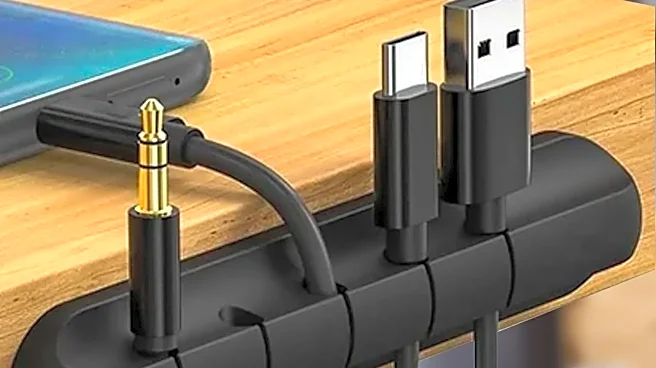









You’ve got the perfect desk, the ergonomic chair, and the monitor at just the right height. But underneath it all is a secret: a chaotic nest of cables. The surprise? Taming that mess is about more than just aesthetics.
The First Surprise: It's a Mental Health Upgrade
The most common reason to finally
confront the 'cable spaghetti' is for looks. A clean setup is satisfying, professional on video calls, and just plain nice to look at. But what most first-timers don't expect is the psychological shift. A cluttered space, even one hidden under a desk, contributes to a low-grade sense of chaos. Research suggests that visual clutter competes for your attention and increases cognitive load, leading to stress and reduced focus. When you finally organize those wires, you’re not just tidying up your desk; you're tidying up your mind. The 'visual noise' disappears, creating a calmer, more controlled environment that can genuinely reduce anxiety and make it easier to concentrate on the task at hand.
The Functional Payoff You Didn't See Coming
Beyond mental clarity, the practical benefits are what truly convert skeptics into believers. Suddenly, cleaning is no longer a dreaded task of navigating a dusty web of wires. With cables routed neatly in trays or sleeves, you can actually sweep or vacuum underneath your desk. More importantly, your equipment is safer. Tangled cords are a tripping hazard and are more susceptible to damage from chair wheels, accidental yanks, or pets. Well-managed cables have a longer lifespan, saving you money on replacements. Additionally, bundling cables and getting them off the floor can improve airflow around power bricks and computer towers, which helps prevent overheating and maintains performance.
The 'Oh, That's Why It Wasn't Working' Moment
A tangled mass of identical black cords is a troubleshooting nightmare. Need to unplug the printer? Good luck figuring out which cord it is without tracing it through a dozen others, potentially unplugging your monitor or main computer by mistake. This is a huge, often overlooked, source of frustration. A key part of good cable management involves labeling your cords and creating clear pathways. When each cable is identifiable and accessible, swapping out a device, diagnosing a connection problem, or moving your setup becomes a simple, stress-free process instead of a 30-minute detective job. It’s a time-saver that pays dividends every time you need to make a change.
A Gateway to Intentional Living
This might sound dramatic, but for many, cable management is a gateway project. It often begins with a simple audit: unplugging everything and asking what you actually need. This process forces you to be intentional about the technology in your space. Once the cables are tamed, users often feel empowered. It’s a small, tangible victory that makes the entire workspace feel more deliberate and personalized. This newfound sense of control can inspire other organizational projects, transforming your desk from a chaotic zone of necessity into a curated space that actively supports your work and well being. It’s the first step in treating your workspace not as a collection of random items, but as a cohesive, functional system.