




The Allure of the Digital Deadbolt
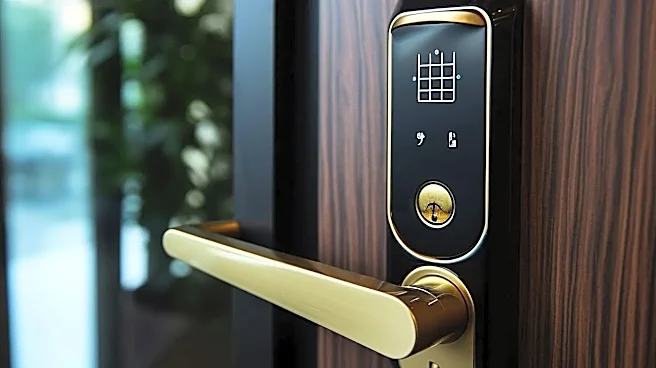
It’s easy to see the appeal. Smart locks offer a seamless blend of security and convenience, promising an end to fumbling for keys in the dark. With a few taps on your phone, you can let in a dog walker, grant temporary access to a contractor, or check
to make sure you remembered to lock the door after leaving in a hurry. Mainstream product reviews amplify this allure, focusing on straightforward features like ease of installation, the sleekness of the mobile app, and how long the batteries last. They compare fingerprint scanners, keypads, and geofencing capabilities. While these are important, they distract from a much larger, and often unmentioned, vulnerability that isn't about the hardware itself.
The Unseen Cloud Connection
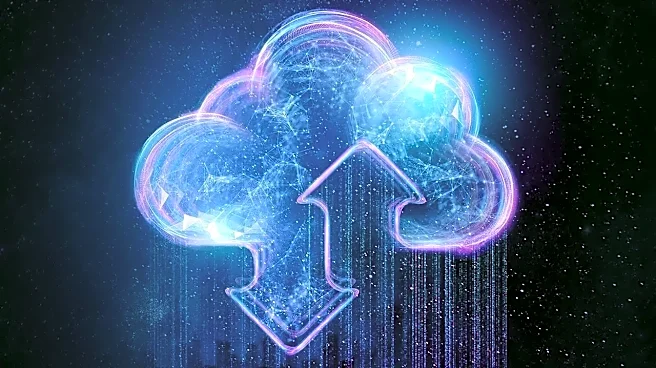
The hidden detail that most reviews miss is the lock’s total dependence on the manufacturer's cloud services. To enable remote unlocking, user management, and activity logs, your lock needs to constantly communicate with a server owned and operated by the company. This isn't just a feature; it's the central nervous system of the device. Without that connection, a "smart" lock loses most of the intelligence you paid for. This dependency creates a fragile link in your home security. You aren't just buying a piece of hardware; you're entering into a long-term, unspoken relationship with a tech company, trusting that they will exist, maintain their servers, and support your specific model for the entire life of the device.
When Your Lock Becomes a Brick
The real danger emerges when that company disappears, gets acquired, or simply decides to stop supporting your device. This isn't a theoretical risk. It's a well-documented problem in the "Internet of Things" world. If the servers that power your lock's smart features are shut down, the device can be effectively "bricked," losing its remote capabilities. In a best-case scenario, you might only lose the ability to add new users or unlock the door remotely. In a worst-case scenario, a flawed final update could render the lock completely unresponsive. We saw a real-world example of this when the Kevo app and web portal were scheduled to be shut down, ending remote functionality for a whole line of smart locks and forcing users to rely on physical keys or buy a new device.
More Than Just an On/Off Switch
The problem extends beyond a company going bankrupt. A manufacturer could be acquired, and the new parent company may decide your lock is a legacy product not worth supporting. A company might also pivot its business model, suddenly putting previously free features behind a monthly subscription paywall. In one documented case, a dispute between a manufacturer and a distributor led to the manufacturer remotely disabling the smart features of over 50 locks, leaving customers with nothing more than a very expensive traditional lock. Suddenly, the convenience you paid for is gone, and you're left with a difficult choice: live with a downgraded device or shell out for a brand new one.
How to Shop Smarter and Avoid the Trap
Protecting yourself requires looking beyond the shiny features in reviews. First, investigate the company. Choose brands that have been around for a while and have a proven track record. Second, look for locks that don't rely exclusively on the cloud. Models that use local communication protocols like Zigbee or Z-Wave can connect to a local smart home hub, giving you more control even if the internet is down or the company's servers disappear. Also, see if the lock supports open standards like Matter, which is designed to prevent you from being trapped in a single company's ecosystem. Finally, always choose a lock that has a reliable, non-digital backup, like a physical keyhole, so you're never truly locked out.