





The Speed Race Is Over
For over a decade, the iPhone keynote followed a familiar script. A new A-series chip would be unveiled, promising staggering performance gains—numbers that, while impressive, have become increasingly disconnected from the average user's daily experience.
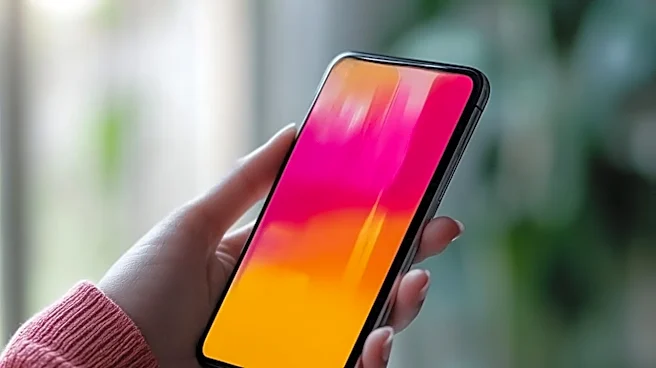
Phones have been 'fast enough' for years. The incremental benefit of shaving milliseconds off app-loading times has hit a point of diminishing returns. The real bottleneck in user experience is no longer the silicon; it's the intelligence of the software running on it. This is precisely why the narrative is shifting. While competitors have been loudly iterating on generative AI, Apple has been playing a longer, quieter game. The upcoming iPhone 18 event is poised to be the moment Apple finally shows its hand, moving the goalposts from raw processing power to proactive, truly helpful artificial intelligence.
Siri's Redemption Arc
Let’s be honest: for years, Siri has been the butt of jokes, a digital assistant often stumped by anything more complex than setting a timer. While Google Assistant and others evolved, Siri felt stuck in 2011. But recent reports and Apple's own WWDC previews suggest a complete overhaul is imminent. We're not talking about a minor update, but a foundational rebuild powered by Apple's own large language models and a hybrid approach combining on-device processing with cloud intelligence. This new "Siri AI" is expected to understand personal context, see what's on your screen, and perform complex, multi-app tasks. Imagine asking Siri to find photos from your trip last month, create a shared album with your travel companion, and send them a message with the link—all in one conversational request. That's the leap from a simple command-and-control tool to a genuine assistant. It’s a change that would fundamentally alter how we interact with our most personal device.
The 'Apple Intelligence' Playbook
While other companies rushed to integrate chatbots, Apple’s strategy appears more deliberate and, frankly, more difficult. The company is reportedly focusing on a model that performs as many AI tasks as possible directly on the device. This on-device approach is classic Apple: it's faster, more reliable when you're offline, and, most importantly, aligns with its core brand promise of user privacy. By processing your personal data—your messages, calendar, photos—locally, Apple can offer a deeply personalized AI without sending your life to the cloud. When Craig Federighi takes the stage, expect him to emphasize not just what the new Siri can do, but how it does it. The message will be clear: this isn't just a smarter assistant; it's a smarter assistant that respects your privacy. In a world increasingly wary of data-hungry AI, that's a powerful business differentiator.
Why It Matters More Than a Chip
A faster processor makes your current apps run better. A truly intelligent Siri changes what your phone can do for you in the first place. It transforms the device from a collection of apps you manually operate into a proactive partner that anticipates your needs. This shift is far more profound than any performance metric. It represents the next major evolution of the smartphone itself—from a pocket computer to ambient intelligence. The iPhone 18 will undoubtedly have a powerful new chip, and it might even come with a higher price tag to reflect the costs of advanced AI components. But years from now, we won’t remember the A20 Pro's clock speed. We will remember the moment the iPhone finally got the intelligent assistant it always deserved, making the device feel truly magical again.